Behind the Screens: Automated Verification Processes in High-Volume Promotional Contests
Morgan Perry · Jul 7, 2026
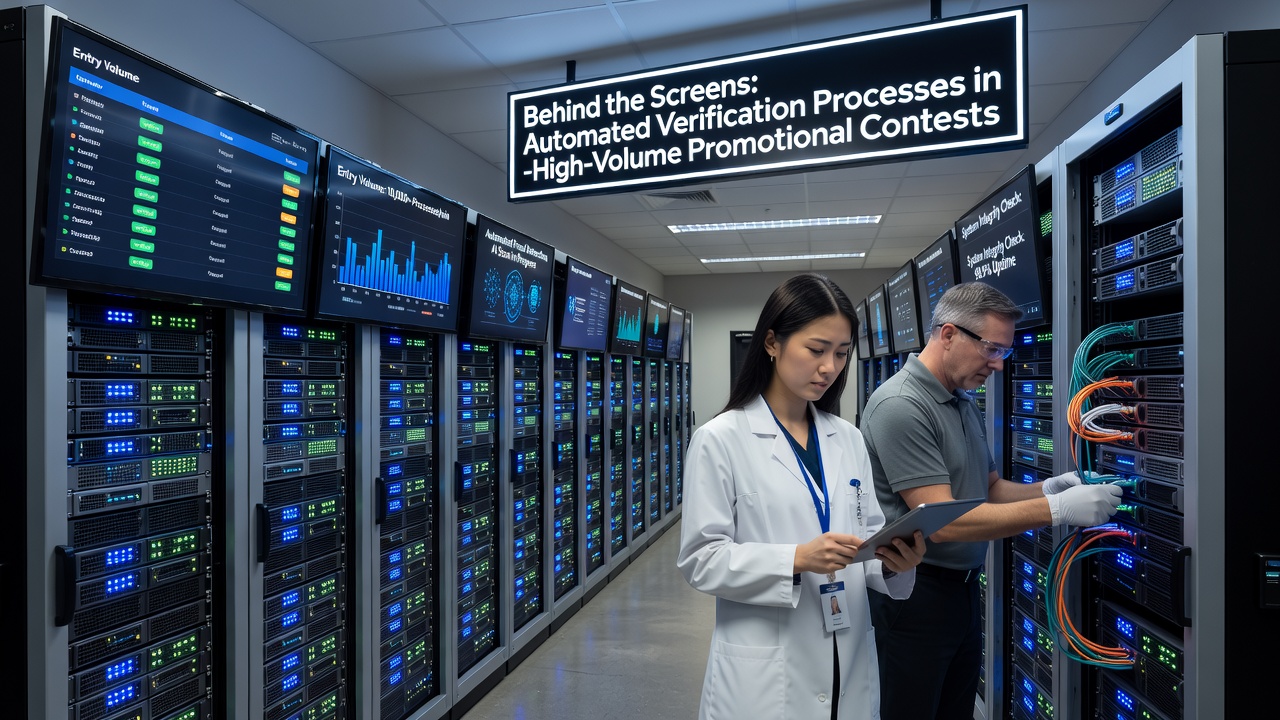
Behind the Screens: Automated Verification Processes in High-Volume Promotional Contests
Contest organizers face mounting pressure as entry volumes climb into the millions each month, and automated verification systems now handle the bulk of eligibility checks before any human review occurs. These processes scan submissions for duplicate accounts, invalid addresses, and rule violations using layered algorithms that cross-reference data points in seconds rather than days. Observers note that major brands running national promotions rely on such tools to maintain compliance while keeping operational costs in check. The core workflow begins at submission, where software immediately applies filters for basic requirements like age, residency, and entry frequency limits. Systems then move to secondary layers that employ machine learning models trained on historical fraud patterns, flagging anomalies such as rapid-fire entries from single IP addresses or mismatched personal details across multiple forms. Research from consumer protection agencies shows these steps reduce manual workload by up to 85 percent in campaigns exceeding 500,000 entries.Core Technologies Driving the Checks
Database matching forms the foundation, pulling from public records, previous winner lists, and internal blacklists to confirm participant eligibility without delay. Optical character recognition handles photo or document uploads when proof of purchase is required, converting images into searchable text that algorithms validate against retailer databases. Blockchain elements appear in select high-stakes campaigns to create immutable audit trails for each entry timestamp and source.
Integration with third-party services adds another dimension, allowing real-time queries against credit bureaus or address verification APIs that catch fabricated information at the point of entry. Data indicates that campaigns incorporating these external checks see a measurable drop in disputed claims after winners are announced.
Handling Scale During Peak Periods
Summer months often bring spikes as brands launch back-to-school and holiday promotions, with July 2026 expected to test system capacity once again amid expanded digital advertising reach. Automated queues prioritize entries by risk score, routing high-confidence submissions straight to winner pools while routing suspicious ones for deeper analysis. Load-balancing across cloud servers prevents bottlenecks even when simultaneous entries reach tens of thousands per minute.
Those who've studied operational logs from past campaigns point out that redundancy protocols automatically reroute traffic if one verification node experiences latency, preserving the flow without human intervention. This setup proves especially valuable for multi-brand collaborations where entry rules differ by region or product category.
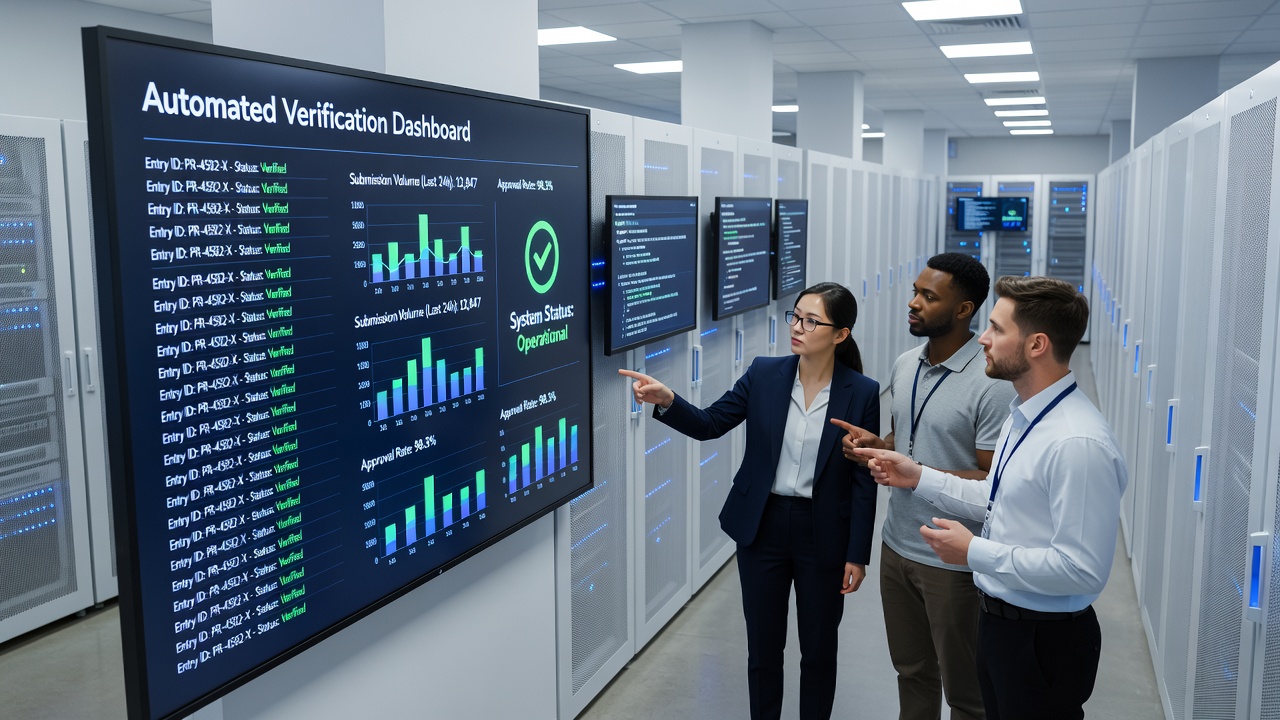
Regulatory Alignment and Audit Trails
Compliance teams configure rulesets that mirror requirements from bodies such as the Federal Trade Commission in the United States and equivalent frameworks maintained by the Australian Competition and Consumer Commission. Automated reports generate timestamped logs that demonstrate adherence during post-campaign reviews, covering everything from random winner selection methods to disclosure of prize values. Figures from industry reports reveal that documented automation trails shorten regulatory response times by weeks in contested cases.
European operators additionally align with data protection standards that govern how participant information is stored and purged after campaigns conclude. Systems automatically apply retention schedules, deleting non-winner data once required periods expire while preserving records needed for tax reporting or dispute resolution.
Common Edge Cases and Resolution Paths
Automated systems sometimes surface borderline entries, such as those from shared household addresses or participants who recently changed names through marriage. Configurable thresholds allow organizers to set tolerance levels that trigger human review only when multiple flags accumulate, balancing speed against accuracy. One documented approach involves sending automated clarification requests via email, giving entrants 48 hours to supply missing details before disqualification occurs.
Observers tracking winner announcement patterns note fewer overturned results when verification includes cross-checks against social media profiles or employment records where rules prohibit company employees from entering. These added steps occur entirely in the background until a final status update reaches the entrant dashboard.
Conclusion
High-volume promotional contests depend on automated verification to process entries fairly and efficiently while satisfying legal standards across jurisdictions. Continued refinement of matching algorithms and integration with external data sources supports growth in campaign size without proportional increases in staff. As volumes rise through 2026 and beyond, these behind-the-scenes mechanisms remain central to delivering reliable outcomes for both organizers and participants.