Contest Rules and Free Entry Dynamics in Sweepstakes and Promotions
Taylor Hayes · Jun 30, 2026
Contest Rules and Free Entry Dynamics in Sweepstakes and Promotions
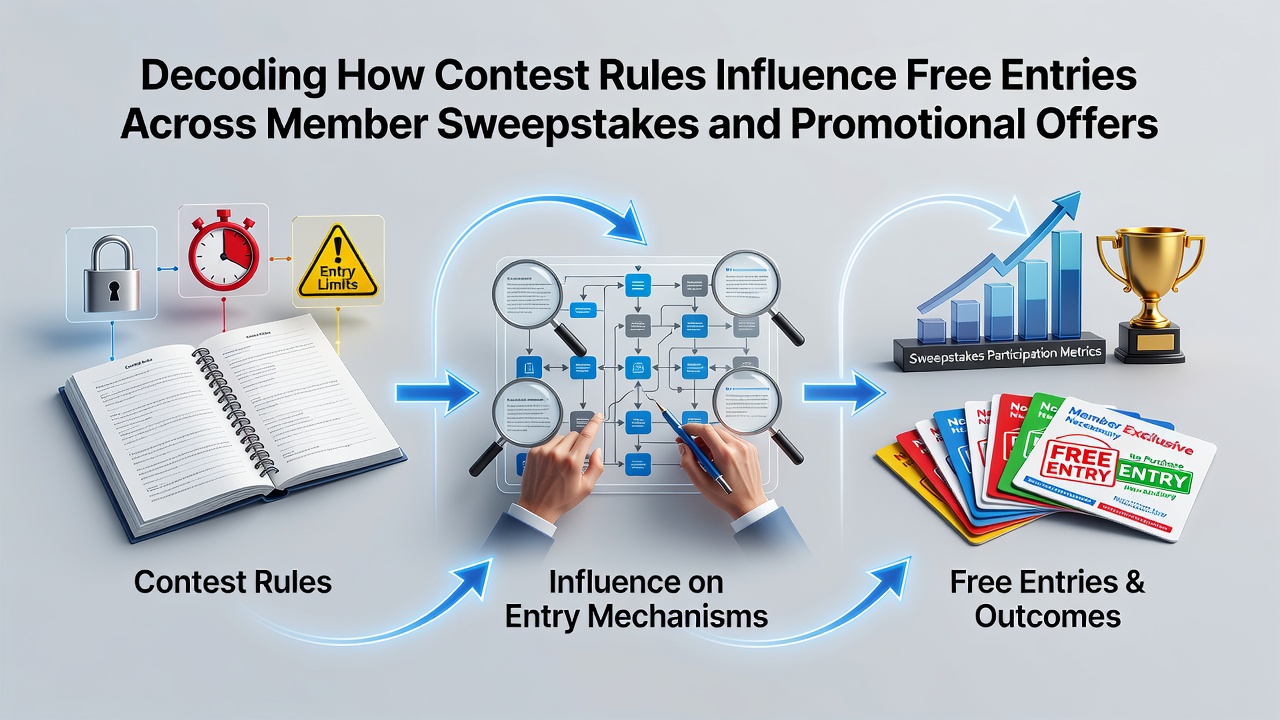
Entry regulations in sweepstakes programs determine how participants access opportunities without purchases, and these frameworks vary widely across member-based contests and broader promotional campaigns. Observers note that specific clauses on eligibility, submission methods, and frequency limits directly shape who can participate for free and how often they succeed in gaining access. Data from regulatory reviews shows these provisions often require alternate entry paths such as mail-in forms or online registrations that bypass any buying requirement, and this structure maintains compliance while expanding reach to non-customers.
Eligibility Provisions and Their Reach
Age restrictions, residency mandates, and employment exclusions appear in most contest documents, and they filter the pool of free entrants before submissions even begin. Research indicates that rules requiring participants to be 18 or older in many jurisdictions exclude younger demographics unless separate youth categories exist, whereas residency clauses often limit entries to specific countries or states to align with local laws. Those who've examined multiple programs find that employment bans for sponsor staff and immediate family members prevent insider advantages, and this practice extends to member sweepstakes where loyalty participants must still meet the same criteria despite their ongoing relationship with the brand.
Submission Channels for No-Cost Entries
Many promotional offers specify free entry routes through handwritten postcards or dedicated websites, and these methods run parallel to any purchase-based options. According to Federal Trade Commission resources, such provisions must receive equal prominence in advertising to avoid misleading claims, and enforcement actions have targeted campaigns where free paths were buried in fine print. Member sweepstakes frequently incorporate app-based or account-logged entries that count as free when no transaction occurs, yet the rules cap the number of submissions per day or per contest period to prevent automated flooding.
What's notable is how these limits interact with timing, since daily entry allowances in June 2026 will coincide with seasonal campaigns that draw higher volumes during summer months. Patterns in winner data reveal that contests with weekly caps rather than daily ones sometimes see steadier participation from free entrants who plan submissions strategically across the full duration.
Frequency and Method Restrictions Across Programs
Rules governing repeated entries create distinct outcomes between standalone promotions and ongoing member sweepstakes, and they often tie free access to verified accounts or unique identifiers. Industry reports highlight that some programs disallow multiple entries from the same household or IP address, and this measure aims to distribute chances more evenly while still permitting one free submission per person. In contrast, promotional offers tied to events or product launches may allow unlimited free entries via repeated mail-ins, though postal rules in various regions impose practical constraints on volume.
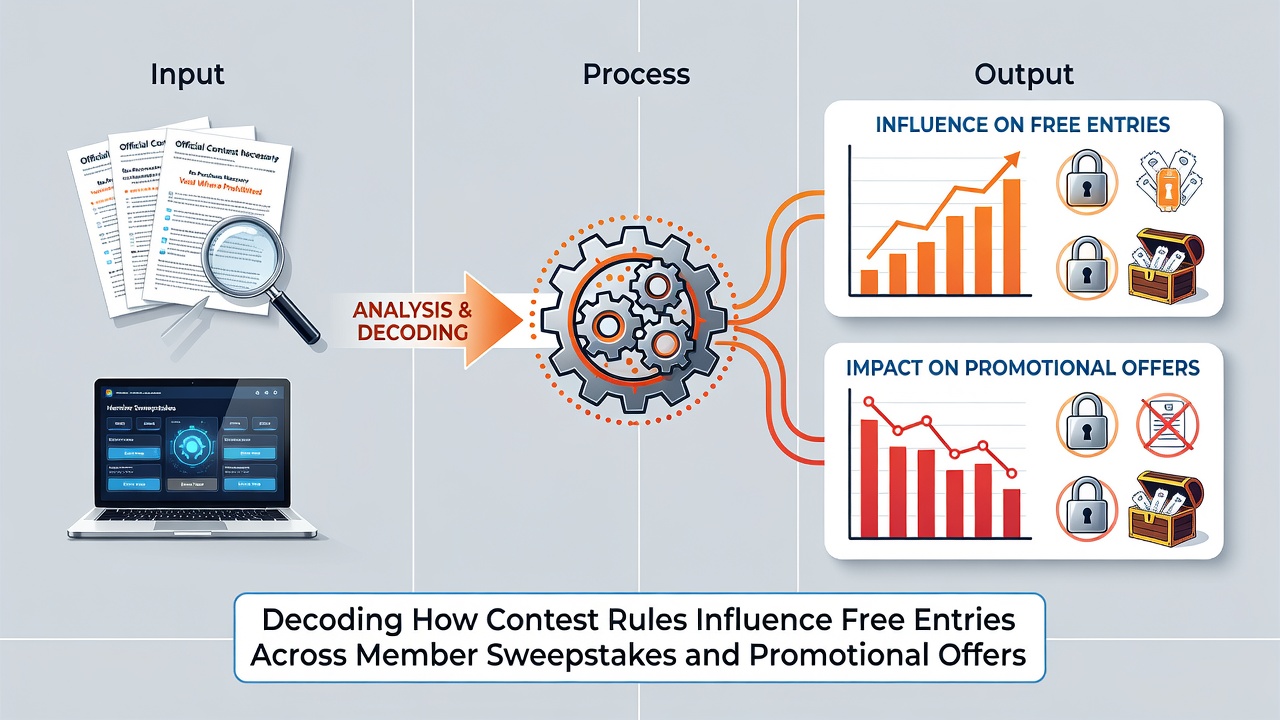
Observers have documented cases where member programs integrate free entries into existing loyalty dashboards, and this integration reduces friction for registered users while maintaining the same eligibility checks applied to non-members. Data shows that when rules require physical mail for free entries, participation rates drop compared to digital alternatives, and this gap becomes especially clear in international promotions where shipping times affect deadline compliance.
Regulatory Influences on Rule Design
Legal standards from multiple regions guide how sponsors draft free entry language, and these standards push for transparency in advertising materials. teh Australian Competition and Consumer Commission has issued guidance requiring clear disclosure of all entry methods in promotional materials, and similar expectations appear in Canadian provincial regulations that scrutinize sweepstakes run across borders. Academic analyses of contest outcomes indicate that clearer rule sets correlate with higher volumes of valid free submissions, since participants can more easily understand the required steps without confusion over hidden conditions.
But here's the thing: when member sweepstakes embed free entry options within app notifications or email alerts, they often see increased engagement from existing users who treat the process as an extension of their regular interactions. Research from university studies on consumer behavior confirms that simplified digital free entry flows maintain legal compliance while supporting broader access across demographic groups.
Practical Patterns in Entry Outcomes
Winner announcement records demonstrate that free entry participants secure prizes at rates comparable to purchase entrants when rules enforce parity, and this balance holds in both short-term promotions and long-running member contests. Those tracking patterns across 2025 and into 2026 note that programs with explicit no-purchase-necessary statements in all ads attract wider audiences, including individuals who avoid buying yet still follow official channels for submissions. Rules that prohibit entries from certain devices or require CAPTCHA verification further shape participation by filtering out bots while preserving opportunities for manual free entrants.
Cross-Border Considerations
International sweepstakes often layer additional residency and tax clauses onto free entry provisions, and these additions affect how non-residents approach submissions. Evidence from cross-regional comparisons shows that sponsors who standardize free entry procedures across markets reduce administrative disputes, and this standardization appears in both consumer goods promotions and loyalty-based member programs that operate in multiple countries.
Conclusion
Contest regulations continue to define the boundaries of free participation by specifying who qualifies, which methods count, and how often submissions occur, and these elements collectively determine accessibility in member sweepstakes alongside general promotional offers. Updates scheduled around mid-2026 may refine digital verification requirements in several jurisdictions, and observers expect these changes to influence submission volumes without altering the core no-purchase framework. Patterns from past cycles confirm that transparent, consistently applied rules support equitable free entry opportunities across diverse participant groups.