Dissecting Compliance Structures Across Recurring Digital Reward Networks
Gisela Brooks · May 28, 2026
Dissecting Compliance Structures Across Recurring Digital Reward Networks
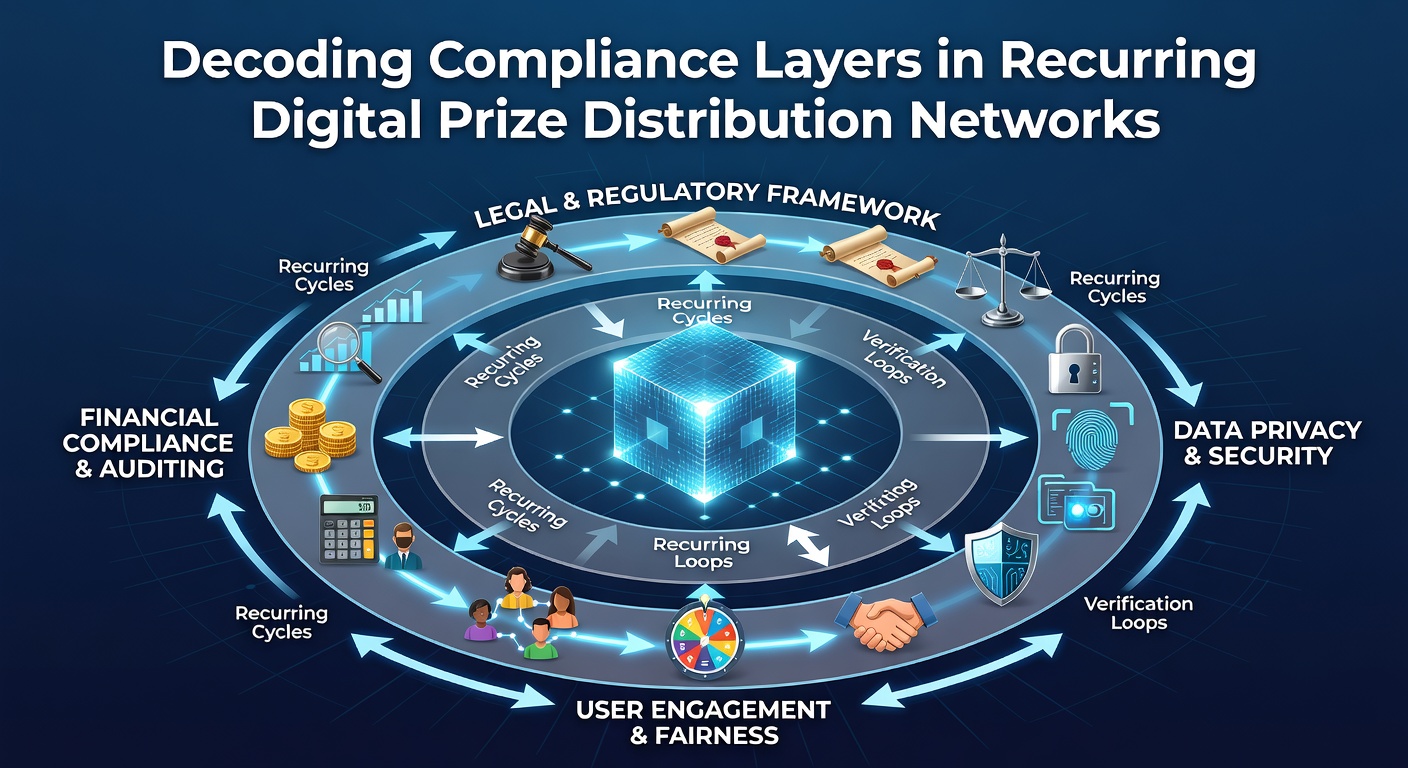
Recurring digital prize distribution networks operate through multiple overlapping regulatory requirements that govern entry collection, participant verification, and prize disbursement across repeated cycles, and these structures have grown more intricate as platforms scale operations globally since the early 2020s.
Observers note that compliance layers typically begin with foundational entry protocols that must align with jurisdiction-specific advertising and promotion statutes, while subsequent layers address identity confirmation, anti-money laundering checks, and tax reporting obligations that recur with each distribution event.
Core Verification Mechanisms in Sustained Prize Cycles
Entry validation forms the initial layer in these networks, where systems cross-reference submitted data against standardized formats required by bodies such as the Federal Trade Commission in the United States, and this step integrates with automated filters that flag incomplete submissions before they advance further into the pipeline.
Subsequent layers incorporate multi-factor authentication sequences that confirm participant eligibility across repeated entries, and research from the Canadian Competition Bureau indicates these processes reduced duplicate entries by measurable margins in monitored programs through 2025.
Data privacy controls represent another distinct layer, requiring networks to segment user information according to standards outlined in regional statutes, whereas transaction logs for prize values trigger separate reporting thresholds that activate at predefined monetary levels.
International Regulatory Overlaps and Data Handling
Networks spanning multiple territories must reconcile differing disclosure mandates, and this creates stacked compliance requirements where a single recurring cycle might satisfy United States disclosure rules alongside European Union consumer protection directives without duplicating core data collection efforts.
Studies compiled by academic researchers at institutions tracking promotional compliance show that platforms employing centralized audit trails experienced fewer cross-border discrepancies in prize allocation records, particularly when logs captured timestamps and eligibility confirmations in unified formats.
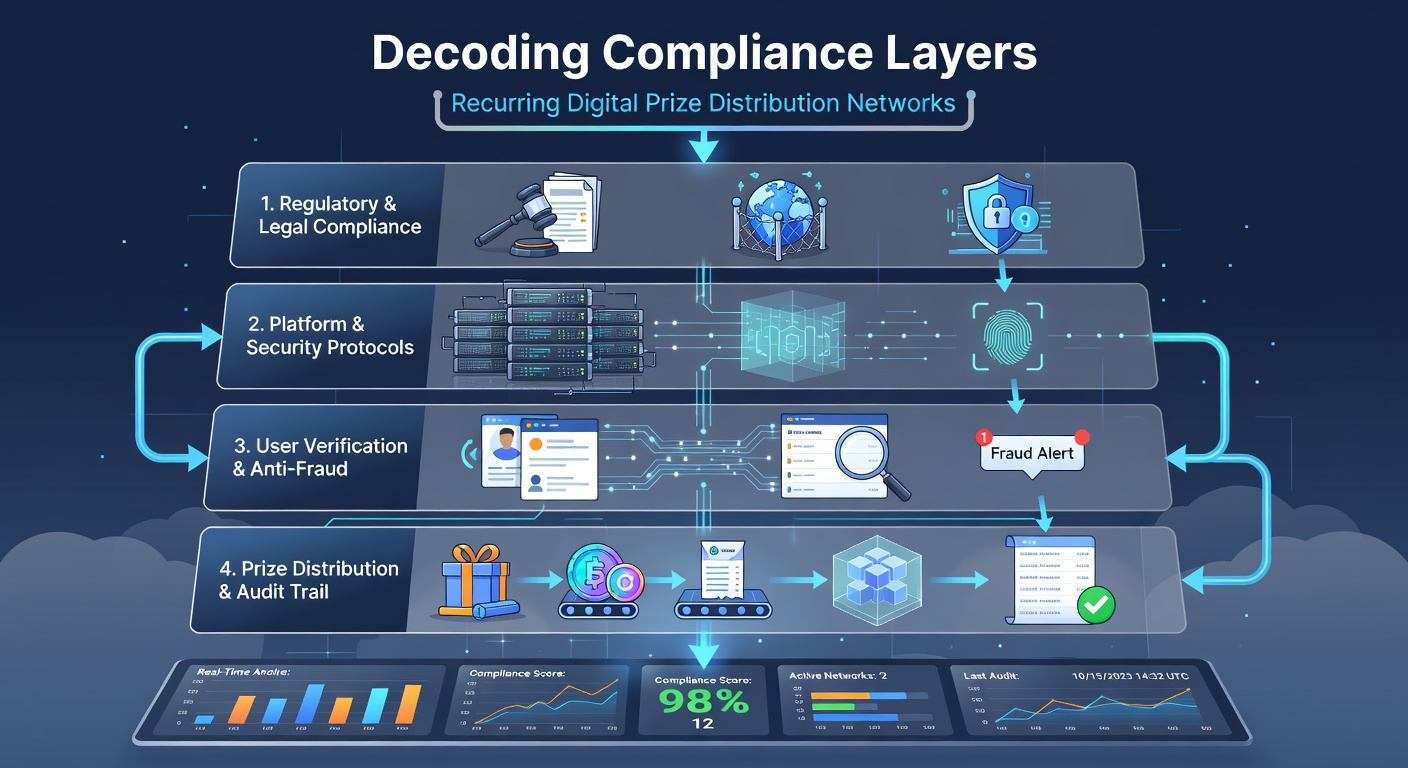
Tax authorities in various regions impose additional overlays that activate upon prize distribution, and these rules demand real-time withholding calculations that integrate directly with the same databases used for entry verification, thereby linking early-stage compliance to final payout stages within ongoing networks.
Operational Patterns Observed Through Mid-2026
By May 2026, several recurring networks had implemented unified dashboards that consolidated compliance metrics across verification, privacy, and reporting layers, allowing administrators to monitor adherence without separate manual reviews for each cycle.
Industry reports from organizations such as the Interactive Advertising Bureau highlight how automated reconciliation tools reduced processing delays in prize distribution by aligning regulatory checkpoints into sequential workflows rather than parallel independent reviews.
Those examining network architectures note that recurring systems benefit from modular compliance designs, where updates to one layer, such as enhanced encryption standards, propagate through the entire structure without requiring full system overhauls.
Case Examples from Established Platforms
One recurring network handling daily product giveaways integrated blockchain-based logging for entry timestamps, and this approach satisfied both audit requirements from United States regulators and data integrity standards referenced in Australian Competition and Consumer Commission guidelines.
Another platform focused on electronics distributions layered geofencing restrictions onto its entry forms to enforce regional eligibility rules automatically, and subsequent verification steps confirmed residency before advancing entries into the prize selection pool.
Conclusion
Compliance layers in recurring digital prize distribution networks function as interconnected checkpoints that collectively ensure adherence to entry, verification, privacy, and reporting obligations across repeated operational cycles. These structures continue to evolve in response to regulatory updates and technological integrations, with documented patterns showing streamlined processes when layers operate through shared data frameworks rather than isolated procedures.