Exploring Qualification Paths in Layered Promotional Reward Structures
Morgan Perry · May 24, 2026
Exploring Qualification Paths in Layered Promotional Reward Structures
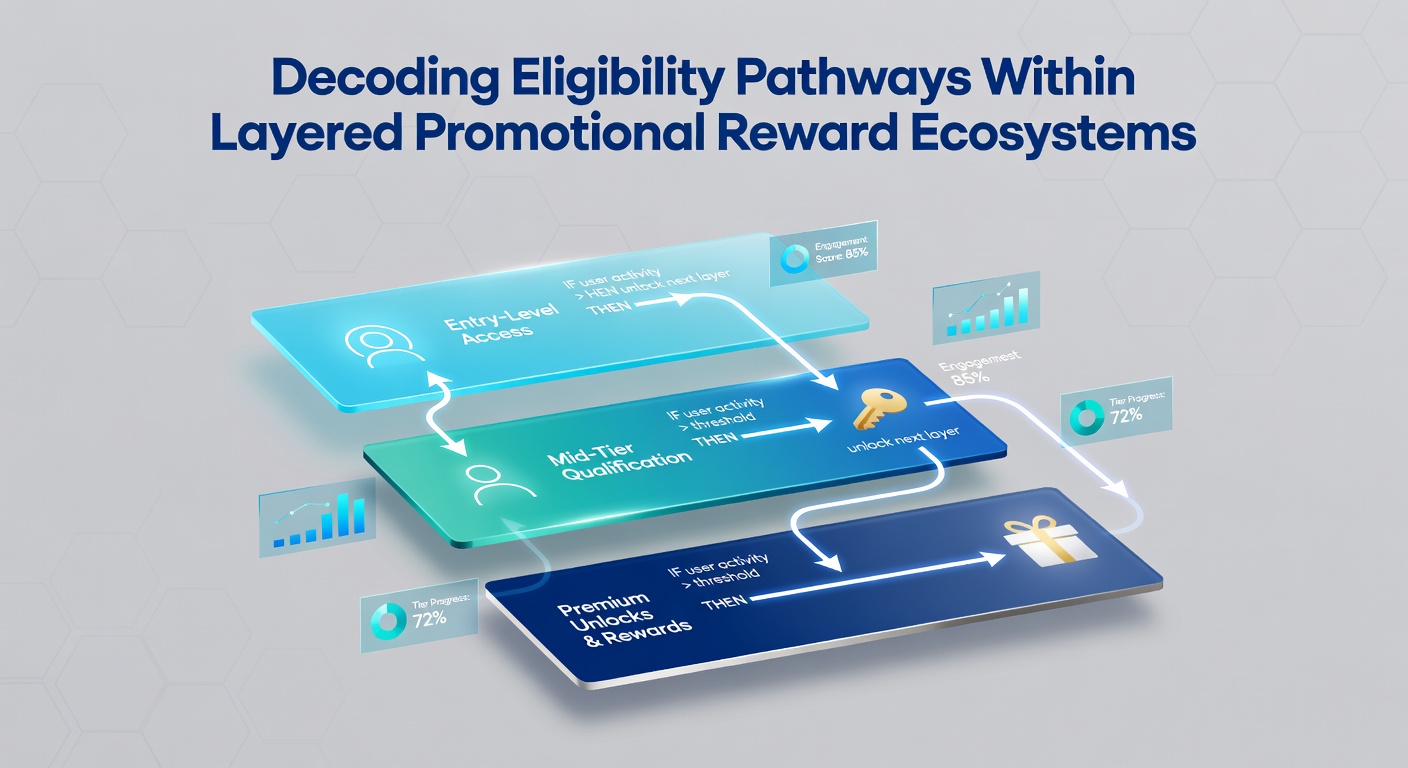
Layered promotional reward ecosystems combine multiple entry methods and verification steps that determine who qualifies for prizes across sweepstakes and contest platforms, and researchers track these systems through regulatory filings and industry data releases. Participants encounter free entry routes alongside purchase-based or membership tiers, each carrying distinct eligibility rules that shape access to cash awards, electronics, and apparel items. Data from contest administrators shows that platforms often separate base-level participants from those who complete additional actions like social shares or recurring logins, creating pathways that filter entrants before prize selection occurs.
Core Components of Tiered Entry Systems
Entry mechanisms operate on several levels where basic submissions require only an email address or simple form completion while advanced routes demand proof of ongoing engagement such as daily check-ins or referrals. Those who study these frameworks note that verification sequences frequently include age confirmation, geographic restrictions, and prior win limits that reset on annual cycles. In practice, one administrator might allow unlimited free entries per household yet cap total submissions from the same IP address to prevent automated abuse, a practice documented in platform terms updated throughout 2025.
Layering extends further when platforms introduce member-only pools funded by partner contributions, and eligibility here hinges on account creation dates plus minimum activity thresholds reached within defined windows. Observers point out that these secondary layers often run parallel to public contests, with separate drawing schedules that draw from verified member databases rather than open submissions.
Verification Sequences and Geographic Rules
Verification processes begin with automated checks that scan submitted information against public records, then escalate to manual review when discrepancies appear. Research indicates that platforms handling international entries apply stricter filters during peak periods such as holiday campaigns, requiring additional documentation like utility bills or government-issued ID scans. As of May 2026, several major operators adjusted their systems to incorporate real-time address validation tools that cross-reference entries against updated postal databases, reducing invalid submissions by measurable percentages according to internal metrics shared in trade reports.
Geographic eligibility remains a primary gatekeeper, with rules that prohibit residents of certain states or countries from specific prize categories due to varying lottery statutes. Those who monitor compliance note that operators maintain separate entry forms for restricted regions, automatically diverting participants to alternative promotions that comply with local laws. This segmentation prevents regulatory conflicts while maintaining broad reach across compliant markets.
Integration of Free and Paid Pathways
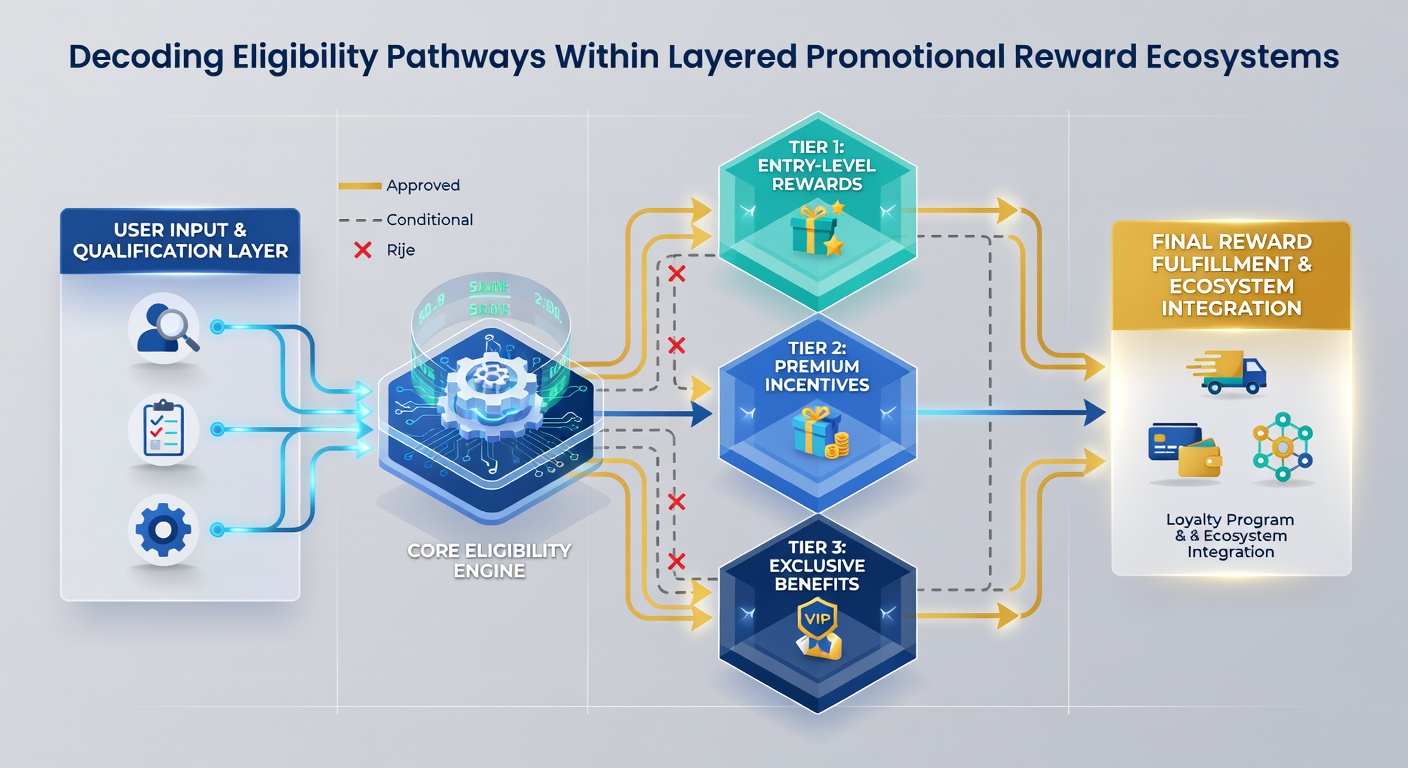
Free entry options frequently feed into the same prize pools as paid or purchase-linked submissions, yet eligibility tracking differs because free routes often carry lower weighting or separate drawing buckets. Administrators record each method distinctly in their databases, allowing audits that confirm compliance with advertised odds. Figures reveal that some ecosystems allocate a fixed percentage of total prizes exclusively to free entrants, a structure designed to meet regulatory expectations around accessibility.
Paid pathways typically involve product purchases that generate unique codes, and these codes unlock higher-volume entry opportunities within the same layered framework. Eligibility here requires proof of purchase validation through retailer partnerships, with systems that reject duplicate or expired codes during submission. One documented case involved a multi-brand electronics campaign where purchase entries fed a premium tier while free entries competed in a parallel pool, both drawing from the same inventory of devices.
Regulatory Influences on Pathway Design
Regulatory bodies shape how eligibility pathways function, with requirements that demand clear disclosure of all entry methods and restrictions. The Federal Trade Commission publishes guidance that operators reference when structuring verification flows and tier separations. Additional oversight comes from the Australian Competition and Consumer Commission, whose reports on promotional marketing highlight the need for transparent rules around member-exclusive draws and free entry parity. These frameworks encourage platforms to publish detailed eligibility criteria upfront, reducing disputes over qualification decisions.
Conclusion
Eligibility pathways within layered promotional reward ecosystems continue to evolve through updated verification tools and regional compliance adjustments. Platforms balance accessibility with fraud prevention by maintaining distinct routes for free, member, and purchase-based entries while applying consistent rules across all tiers. Data collection and automated checks support these structures, allowing administrators to manage large volumes of submissions while meeting obligations set by oversight agencies. Participants who understand the separation between layers and the documentation required at each stage can navigate these systems more effectively as rules adapt to new operational standards.