From Screen to Mailbox: The Supply Chain Realities Behind Product Giveaway Fulfillment
Taylor Hayes · Jun 25, 2026
From Screen to Mailbox: The Supply Chain Realities Behind Product Giveaway Fulfillment
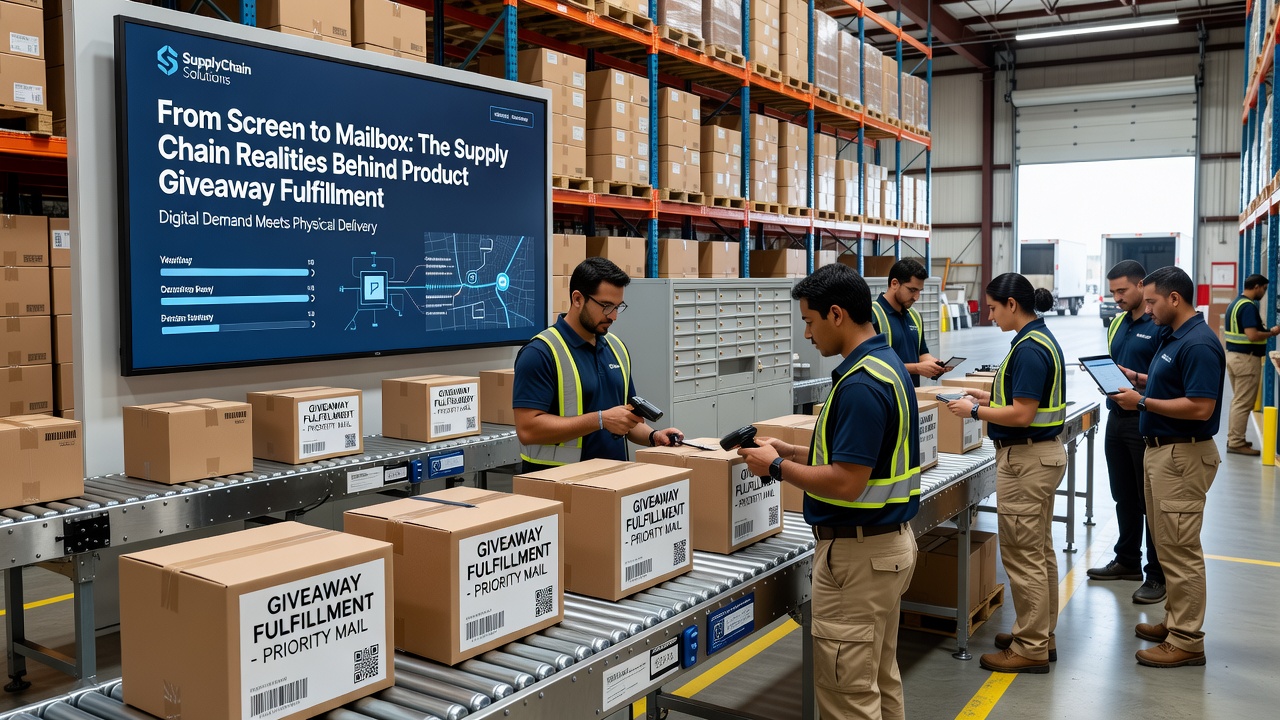
Product giveaways move from digital entry forms to physical delivery through coordinated steps that involve data processing, inventory allocation, and logistics networks operating across multiple time zones, and observers note that these operations have grown more intricate since the expansion of online sweepstakes in the mid-2010s.
Winner Selection and Data Verification
Once entries close, sponsors or their contracted administrators run random draws using certified software that meets legal standards for fairness, after which staff verify winner eligibility by cross-checking addresses, ages, and any required affidavits against the original contest rules. This verification stage often takes several days because discrepancies in submitted information trigger additional documentation requests that delay the next phase, while automated systems flag potential duplicates or entries from restricted regions to maintain compliance with regional laws.
Inventory Sourcing and Allocation
Sponsors either draw prizes from pre-reserved stock held by third-party fulfillment centers or purchase items on demand through suppliers who receive advance notice of approximate volumes, and data from industry reports shows that electronics and apparel account for a large share of physical prizes because they travel well through standard parcel networks. Allocation decisions depend on real-time inventory feeds that update daily so that unavailable items trigger substitutions approved in the original contest terms, preventing backorders that could extend timelines beyond the 4-to-6-week windows commonly published in rules.
Packaging, Labeling, and Compliance Checks
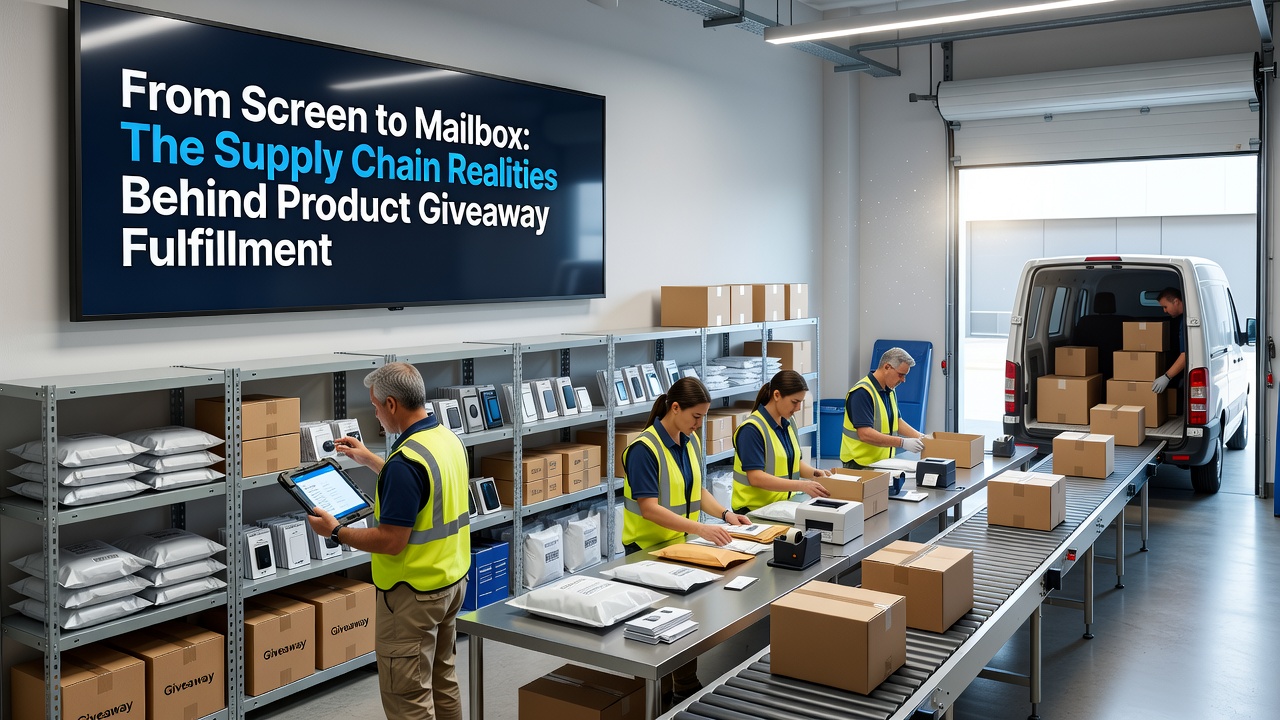
Items receive custom packaging that includes winner names, tracking numbers, and any required disclosures such as prize values for tax reporting, while carriers demand accurate harmonized tariff codes for international shipments to clear customs without inspection delays. In June 2026 several jurisdictions began enforcing updated labeling requirements for lithium-ion batteries commonly found in gadget prizes, forcing fulfillment teams to add extra documentation layers that add 24-to-48 hours to processing times in affected routes.
Those who've studied logistics patterns observe that peak seasons around holidays increase both entry volumes and shipping demand, which leads operators to pre-position stock in regional warehouses rather than relying on single-origin points that create bottlenecks during high-volume periods.
Shipping Networks and Last-Mile Delivery
Major carriers integrate with fulfillment platforms through APIs that generate labels and schedule pickups automatically, yet rural addresses or apartment complexes without concierge services still experience higher rates of failed delivery attempts that require rescheduling and additional fees absorbed by the sponsor or passed to insurance pools. International shipments cross through customs brokers who handle duties and taxes according to Incoterms agreed upon in advance, and figures from the Federal Trade Commission indicate that clear disclosure of these potential costs reduces winner complaints once packages arrive.
Returns, Damages, and Record Keeping
Damaged goods trigger replacement protocols that restart portions of the supply chain, while unclaimed prizes after multiple delivery attempts are often redirected to secondary promotions or liquidated under terms disclosed in the original rules. Record-keeping systems retain shipping manifests, customs declarations, and winner affidavits for periods ranging from one to seven years depending on jurisdiction, allowing audits by bodies such as the Australian Competition and Consumer Commission when disputes arise over prize fulfillment timelines.
Conclusion
The journey from screen entry to mailbox delivery rests on synchronized data systems, inventory buffers, and carrier partnerships that handle thousands of individual prize movements each month, and continued growth in online promotions has prompted sponsors to refine these processes to meet both consumer expectations and evolving regulatory demands across borders.