How State Laws Define Free Entry Pathways in Localized Marketing Promotions
Gisela Brooks · Jul 14, 2026
How State Laws Define Free Entry Pathways in Localized Marketing Promotions
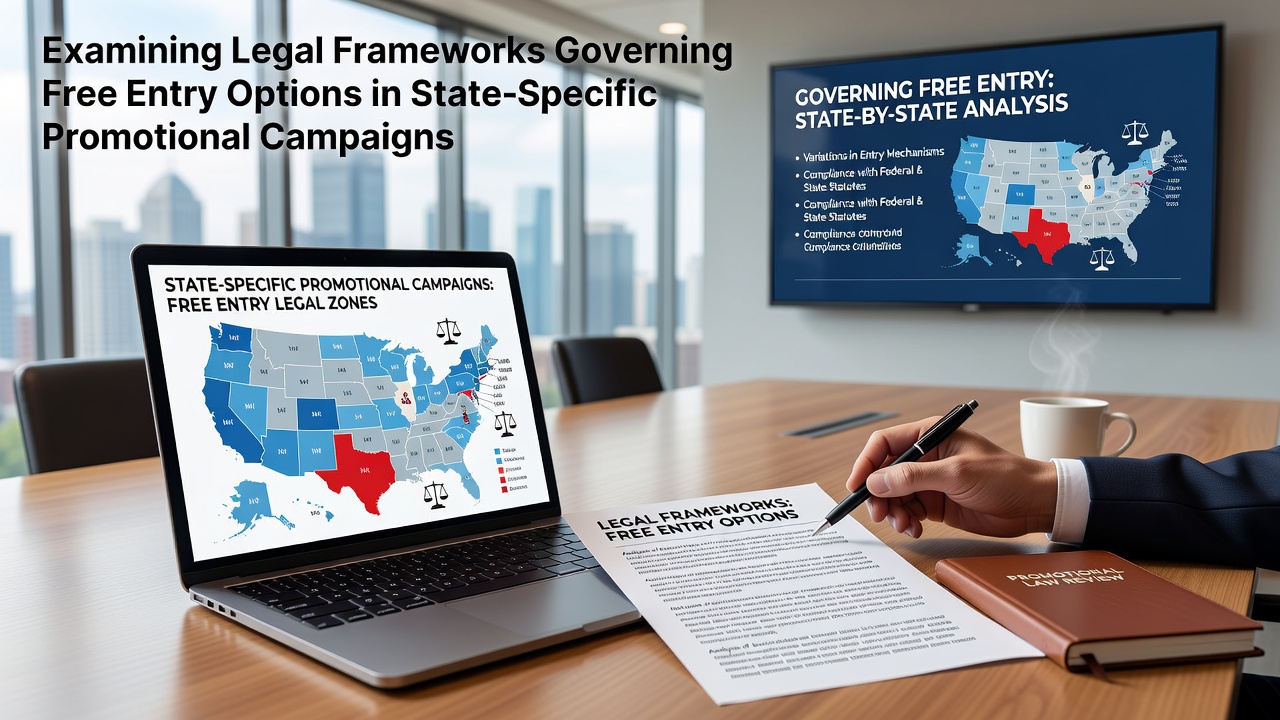
State statutes across the United States create distinct requirements for free entry mechanisms in promotional campaigns that offer prizes without requiring purchases, and these rules vary widely depending on jurisdiction while aiming to separate legitimate marketing from illegal lotteries.
Promoters must provide an alternative method of entry that allows participation without buying a product or service, and this approach typically involves mail-in forms, online registrations, or telephone submissions that carry equal odds of winning as paid entries.
Core Federal Guidelines and Their State-Level Extensions
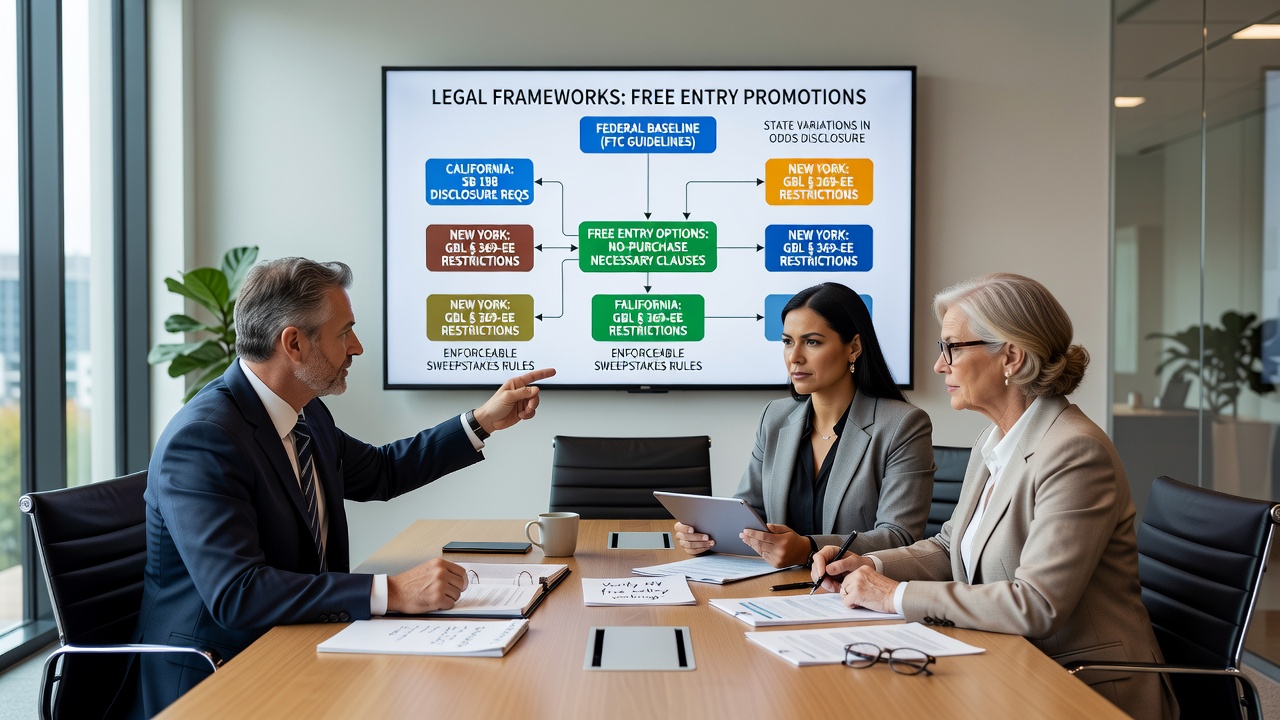
Federal oversight through the Federal Trade Commission establishes baseline expectations for disclosure and fairness in such promotions, yet individual states impose additional layers of compliance that affect how free entry options operate in practice. Data from regulatory filings indicate that campaigns running in multiple jurisdictions often adjust entry procedures to satisfy the strictest state standards, and this adaptation occurs because some states demand specific language in rules or require registration when prize values exceed certain thresholds.
According to the Federal Trade Commission, clear statements about no-purchase-necessary options must appear in all advertising materials, and failure to include these details can trigger enforcement actions that halt campaigns or impose penalties on organizers.
Variations Across Key Jurisdictions
New York and Florida maintain among the most detailed registration processes for sweepstakes-style promotions, and promoters operating there must file paperwork along with bonds when total prize values surpass set limits, while also ensuring free entry routes remain genuinely accessible. Rhode Island and other states follow similar patterns that require public filing of full rules, including descriptions of how participants can enter without cost.
California and Texas focus more on disclosure requirements than registration, yet they still enforce that free entry methods cannot impose unreasonable burdens such as excessive postage costs or complex verification steps that effectively deter participation. Observers note that campaigns active in July 2026 will need to monitor any updates to these thresholds because several states review prize-value triggers on an annual basis.
One study revealed that states with registration mandates often see fewer small-scale promotions because the administrative overhead discourages organizers from launching campaigns that would otherwise qualify under federal standards alone.
Practical Implementation of Alternate Entry Methods
Mail-in postcards remain a common free entry vehicle in many states, and rules frequently specify that entries must include the same information as paid entries along with a clear statement that no purchase is required. Online forms have gained prominence since they reduce costs for both promoters and participants, yet states like New York require that these digital options receive equal promotion in all materials.
Telephone entries appear in some campaigns but face restrictions in jurisdictions that limit automated systems or require live operators for verification, and this creates additional compliance considerations when campaigns span multiple regions. Industry reports show that successful promotions integrate free entry instructions directly into product packaging or digital interfaces so that participants encounter them naturally during regular use.
Enforcement Trends and Compliance Tools
State attorneys general offices conduct periodic reviews of promotional materials, and recent actions demonstrate increased scrutiny on whether free entry options truly provide equivalent chances of winning. The Australian Competition and Consumer Commission has published parallel guidance on similar promotional structures, and cross-border marketers sometimes reference these international examples when designing campaigns that reach U.S. audiences.
Research indicates that clear record-keeping of entry volumes and winner selection processes helps promoters demonstrate compliance during audits, while automated systems now assist with tracking entries from both paid and free channels to maintain fairness across all methods.
Conclusion
State-specific legal frameworks continue to shape how free entry options function in promotional campaigns, and promoters who align their procedures with each jurisdiction's registration, disclosure, and accessibility rules reduce the risk of enforcement actions. Ongoing monitoring of regulatory updates remains essential because thresholds and filing requirements evolve, particularly as digital entry methods become more prevalent in campaigns scheduled through 2026 and beyond.