Logistics of International Prize Delivery in Global Contests
Morgan Perry · Aug 16, 2026
Logistics of International Prize Delivery in Global Contests
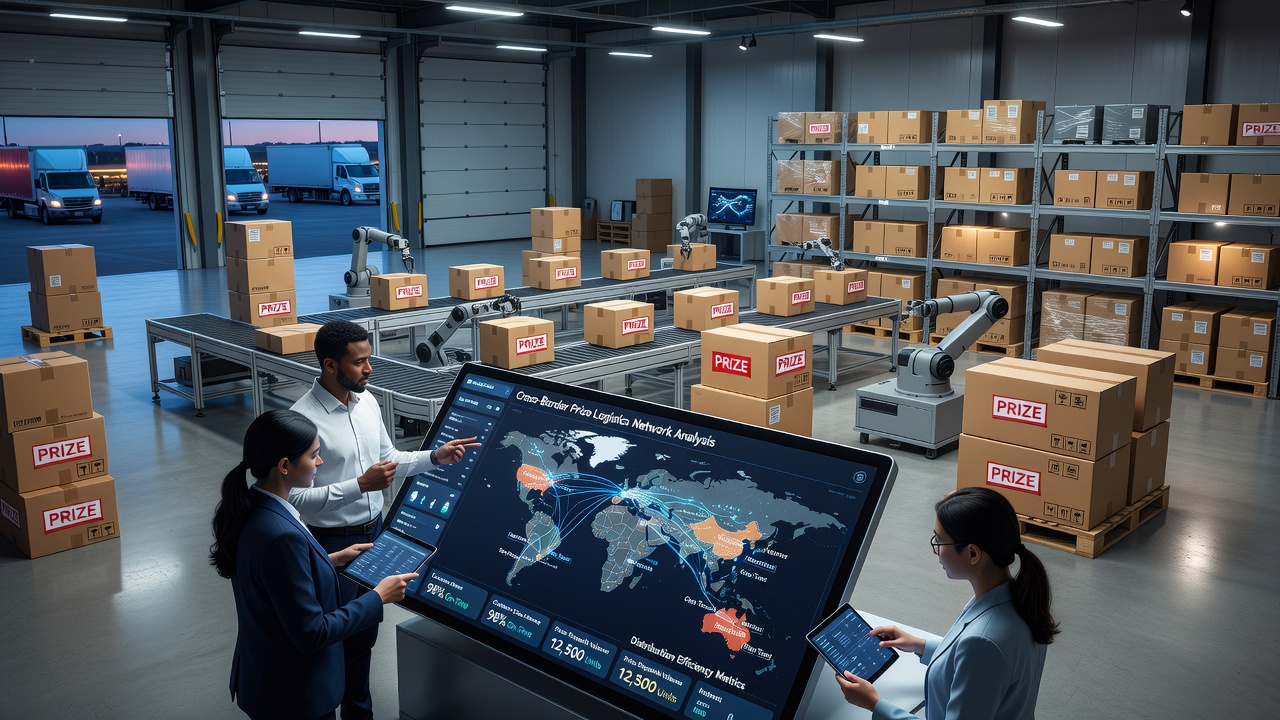
Contest organizers coordinate prize distribution across borders through established carrier networks, customs clearance protocols, and compliance frameworks that handle everything from electronics to cash equivalents. These systems rely on documented procedures that account for varying national regulations, with data from trade monitoring bodies showing steady growth in cross-border entries during recent years. Participants in different countries receive awards only after verification steps confirm eligibility and address details, while shipping partners manage the physical movement of items through multiple jurisdictions.
Regulatory Compliance Across Jurisdictions
Each destination country imposes specific import requirements that affect how prizes move from sponsor to winner, and organizers consult databases maintained by agencies such as the Canada Border Services Agency to determine documentation needs. Forms detailing item value, origin, and recipient information accompany shipments, while electronic filings submitted in advance reduce delays at entry points. Research from international trade reports indicates that incomplete paperwork accounts for the majority of hold-ups in prize transit, prompting companies to integrate automated compliance checks into their entry platforms.
Tax obligations further shape the process because some nations classify contest winnings as taxable income, requiring winners to provide tax identification numbers before release of goods. Observers note that August 2026 will bring updated valuation thresholds under certain bilateral trade agreements, which may alter duty calculations for mid-range electronics and apparel items commonly awarded in promotions. Companies adjust their fulfillment timelines accordingly to accommodate these shifts and maintain delivery schedules.
Carrier Selection and Routing Decisions
Organizers select from established international carriers based on package size, declared value, and destination region, with express services handling high-priority awards while standard postal networks manage lower-value items. Routing decisions factor in seasonal volume spikes and regional infrastructure capacity, allowing teams to reroute shipments when disruptions occur at major hubs. Tracking systems provide real-time updates that both organizers and recipients access through dedicated portals, reducing inquiries about shipment status.

Insurance coverage forms another layer of the network, as carriers offer tiered options that protect against loss or damage during transit. Figures from logistics industry analyses reveal that insured shipments experience fewer disputes upon arrival, since documented values simplify claims processing when issues arise. Organizers therefore embed insurance selections into their standard operating procedures to protect both participants and sponsors.
Handling Duties, Taxes, and Recipient Responsibilities
Winners in many regions bear responsibility for paying import duties before final delivery, and organizers supply advance notices that outline expected costs based on item category and origin country. Payment portals integrated with carrier systems allow recipients to settle these charges electronically, after which customs releases the package for last-mile transport. Studies conducted by academic research groups on consumer contest behavior show that clear communication of these obligations correlates with higher completion rates for prize claims.
Some contests structure awards to minimize duty exposure by substituting local equivalents or digital alternatives when feasible, though physical products remain standard for many promotions. Coordination with local fulfillment partners in target markets enables organizers to bypass certain international legs entirely, shortening transit times and reducing exposure to fluctuating currency rates that affect declared values.
Technology Integration in Modern Networks
Digital platforms now link entry databases directly to shipping management tools, automating label generation and customs documentation once a winner is selected. Machine-readable codes on packages feed into centralized systems that flag potential compliance issues before departure, allowing corrections at the source rather than at border checkpoints. Data shared among platforms reveals patterns in delivery success rates across different regions, guiding future routing choices.
Blockchain-based verification pilots have appeared in select operations to create immutable records of prize provenance and transfer, though adoption remains limited to high-value awards. These records help resolve questions about authenticity when items reach recipients, and organizations continue to evaluate their scalability for broader use.
Conclusion
Cross-border prize distribution operates through interconnected systems of regulatory compliance, carrier partnerships, and digital tracking that together enable contest operators to reach participants worldwide. Adjustments for policy changes such as those scheduled around August 2026 demonstrate the need for ongoing monitoring of trade rules, while technology continues to streamline documentation and routing processes. Observers tracking these networks report consistent emphasis on accuracy in paperwork and transparent communication with winners as foundational elements that support reliable delivery outcomes.