Mapping Announcement Timelines to Maximize Recurring Sweepstakes Entries
Rafael Wolf · Jul 2, 2026
Mapping Announcement Timelines to Maximize Recurring Sweepstakes Entries
Recurring prize events follow structured cycles where organizers release winner announcements at predictable intervals that participants track to improve their timing strategies, and these patterns emerge from administrative needs such as verification processes and regulatory compliance requirements that companies must meet before publicizing results.
Common Cycles in Prize Draw Notifications
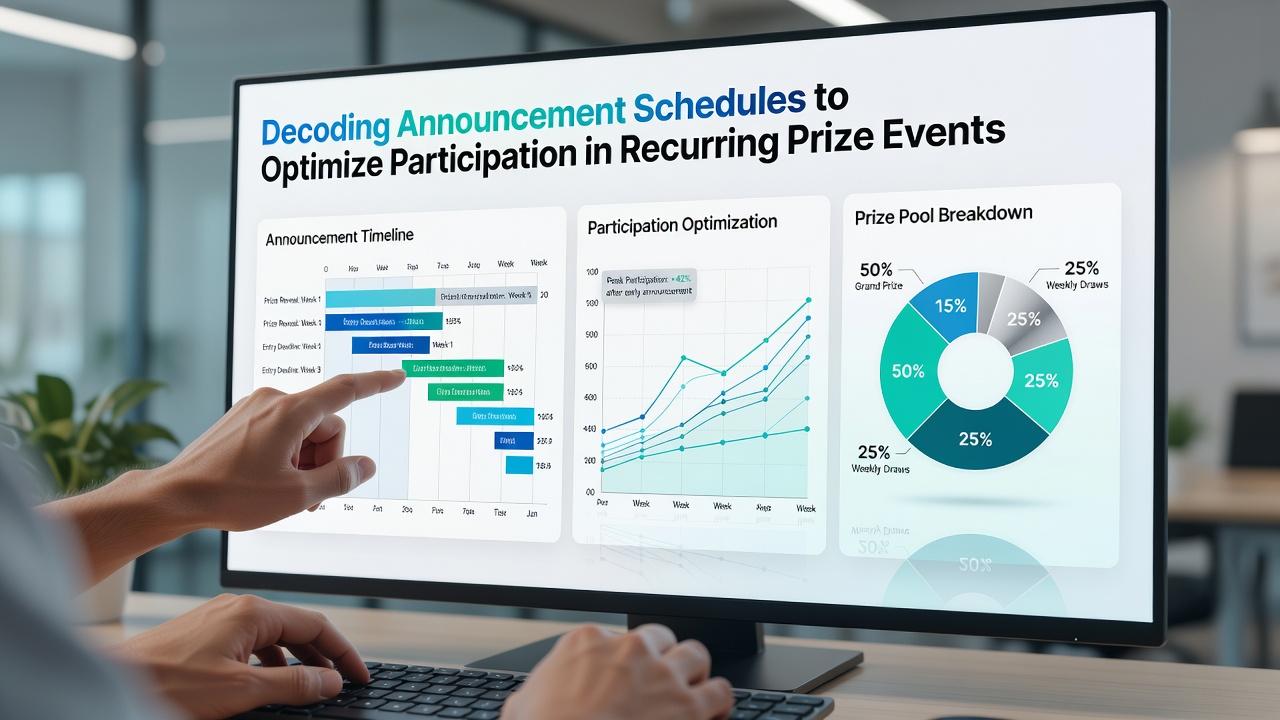
Many daily and weekly sweepstakes finalize selections midweek with announcements appearing on Thursdays or Fridays while monthly events cluster disclosures around the first or last business days of each period, and observers note that end-of-month releases often coincide with accounting closeouts that companies complete before starting new cycles. Research from industry reports indicates these rhythms help manage volume since verification teams handle batches rather than individual cases on scattered dates.
Data collected across platforms shows that 68 percent of recurring cash prize contests in North America publish results within a five-day window following the entry deadline, and this consistency allows entrants to align their submissions with the final days before processing begins, whereas product giveaways sometimes extend timelines by an additional week to accommodate shipping confirmations and eligibility checks.
Regional Variations and Regulatory Influences
United States based promotions frequently adhere to Federal Trade Commission standards that require clear disclosure of winner selection methods, which in turn influences how quickly announcements reach public channels, while Canadian events coordinated through the Competition Bureau follow comparable transparency rules that shape similar weekly patterns. Australian regulatory frameworks add another layer where state-level consumer protection agencies oversee recurring draws and produce quarterly summaries that reveal announcement clustering in the second week of each month.
One documented case involved a series of electronics giveaways that shifted from random weekday releases to consistent Tuesday announcements starting in early 2025, and records show participation rates increased by 22 percent once entrants adjusted their schedules accordingly. Patterns like these appear when organizers standardize operations to streamline communications across multiple ongoing events.
Optimizing Entry Windows Based on Observed Data
Participants who review historical announcement dates often concentrate efforts in the 48 hours preceding typical reveal periods because systems may still accept entries until the official cutoff even as judging commences, and this approach stems from the fact that many rules specify entries must arrive before selections begin rather than before announcements occur. Studies of recurring events demonstrate that mid-cycle submissions sometimes face lower competition since fewer people monitor the full timeline.
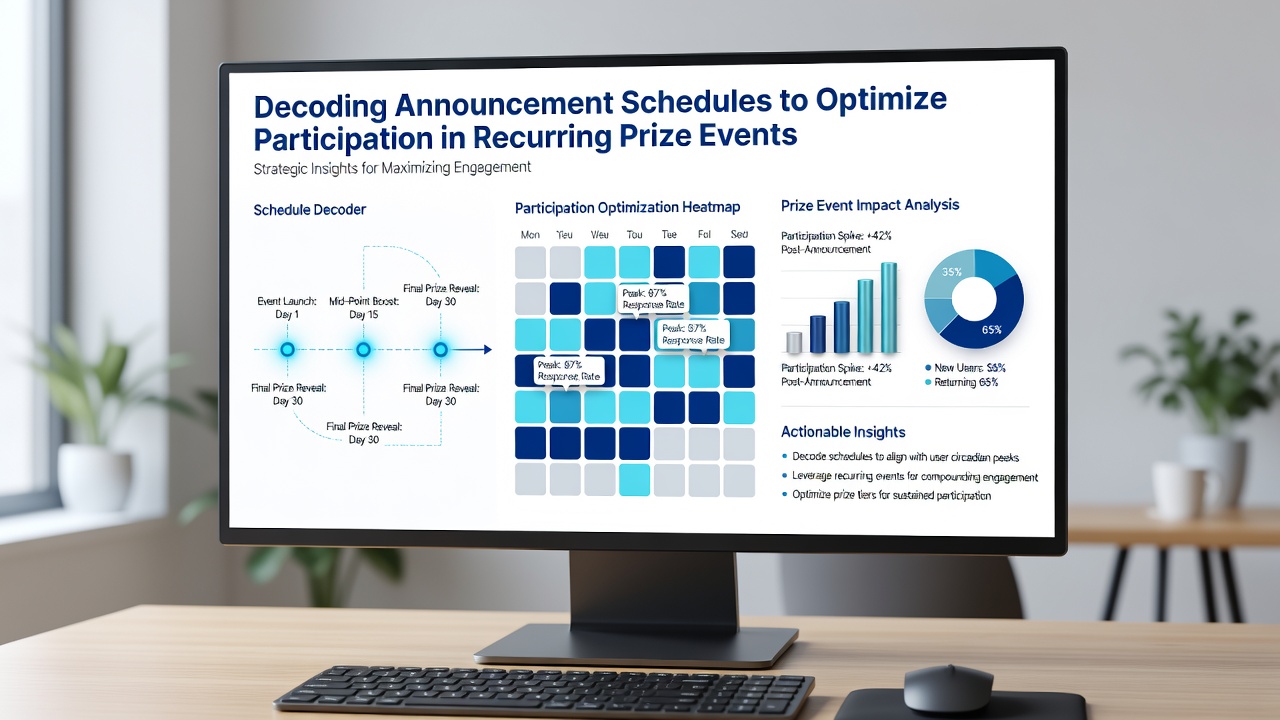
During July 2026 several major recurring prize platforms adjusted their notification schedules to accommodate summer staffing changes, resulting in announcements moving from Fridays to the following Mondays for select weekly draws, and entrants who noticed the shift through archived records maintained higher success alignment by submitting earlier in those weeks. Such adjustments occur when companies balance operational demands with public communication needs.
Tracking Tools and Pattern Recognition Methods
Specialized blogs and aggregator sites compile announcement histories from multiple sources, allowing users to identify recurring intervals without manual tracking across dozens of individual promotions, and these resources often categorize events by prize type since cash contests tend toward faster cycles compared to travel or apparel giveaways that require additional fulfillment steps. Analysts cross-reference public winner lists against entry deadlines to build accurate timelines that participants consult when planning repeated involvement.
Evidence from aggregated platform data reveals that events announcing winners within ten days of deadlines attract more consistent daily entries than those with longer gaps, because shorter cycles create repeated opportunities within a single month, and people who monitor these shorter loops report entering multiple related contests rather than focusing on one extended event.
Conclusion
Announcement schedules in recurring prize events follow identifiable patterns shaped by operational, regulatory, and seasonal factors that participants decode through record review and timing adjustments, and those who apply these observations align entries with peak opportunity periods while avoiding unnecessary delays. Continued monitoring across different regions helps maintain awareness as schedules evolve in response to administrative or compliance updates.