Participant Accounts Illuminate Changing Landscapes of Promotional Offer Access
Taylor Hayes · Jul 26, 2026
Participant Accounts Illuminate Changing Landscapes of Promotional Offer Access
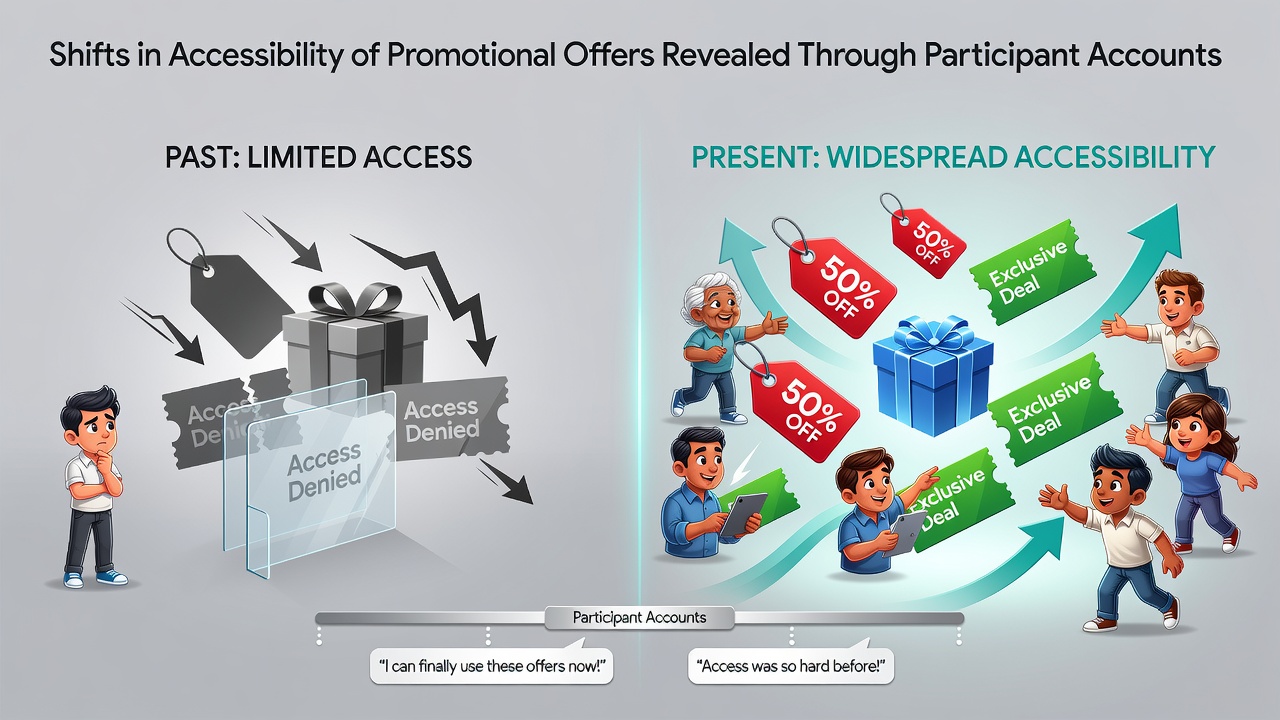
Participant accounts collected across multiple platforms show measurable shifts in how promotional offers reach consumers, with patterns emerging from entry logs, survey responses, and direct testimonials gathered through mid-2026. Data compiled through July 2026 indicate that digital distribution channels have altered traditional access routes, while regulatory adjustments in several regions have introduced new verification steps that some entrants navigate more readily than others.
Digital Platform Influences on Offer Reach
Observers tracking consumer behavior note that mobile applications and email subscription services now account for a larger share of initial offer notifications than print media or in-store displays. Accounts from participants in North America and Europe describe receiving targeted promotions through app notifications that bypass earlier broadcast methods, creating faster but sometimes narrower delivery windows. Figures from industry monitoring groups reveal that click-through rates on mobile alerts rose steadily between 2024 and 2026, whereas desktop-based discovery declined in the same period.
Those who maintain multiple accounts across platforms report receiving duplicate offers through different channels, yet timing discrepancies often determine which version remains active when they attempt redemption. One recurring observation involves offers expiring within hours of notification on certain apps while remaining available longer via web portals, a pattern confirmed in aggregated participant logs.
Regulatory Adjustments and Verification Requirements
Changes in consumer protection rules have prompted platforms to add identity checks and regional eligibility filters before promotional codes activate. According to records maintained by the Federal Trade Commission, updated disclosure standards implemented in 2025 required clearer expiration language and geographic restrictions, details that participants now cite more frequently in their feedback. Similar measures from the Australian Competition and Consumer Commission have produced parallel documentation requirements in that market, leading some entrants to maintain separate profiles for cross-border access.
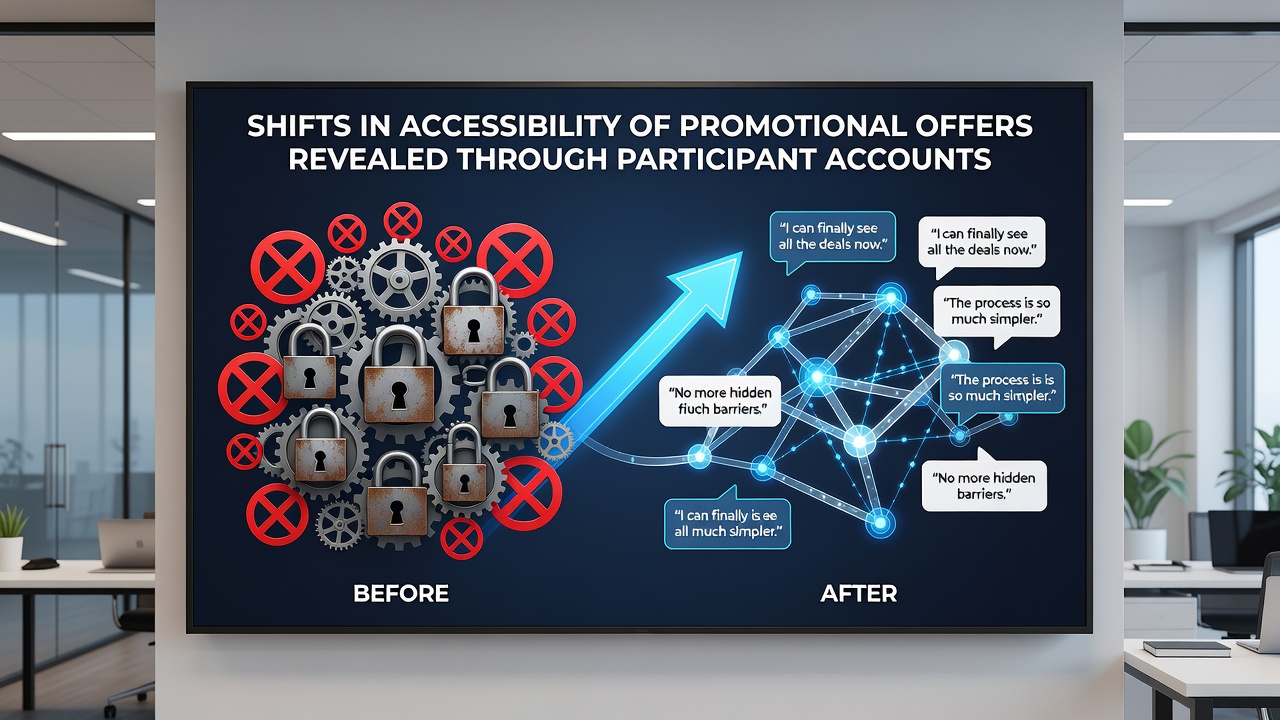
Participant statements collected by research teams at academic institutions show that these verification layers extend the entry process for first-time users yet reduce errors once profiles are established. Accounts from repeat participants indicate that saved preferences and pre-verified accounts shorten subsequent interactions, suggesting a learning curve rather than outright exclusion.
Regional Variations in Participant Experiences
Stories shared by entrants highlight differences tied to local infrastructure and platform policies. In urban areas with reliable high-speed connections, users describe near-instant access to flash promotions, while those in rural zones report occasional delays that cause offers to close before loading completes. Data aggregated from entry databases reflect higher completion rates in regions with widespread 5G coverage compared with areas still transitioning from older networks.
European participants frequently mention the impact of data privacy regulations on how offers are personalized, noting that reduced tracking options result in broader but less specific recommendations. In contrast, accounts from Canadian users point to provincial rules that standardize age verification across sites, producing more uniform experiences once initial setup is complete. These geographic distinctions appear consistently in compiled narratives without a single dominant pattern across all markets.
Emerging Patterns in Offer Duration and Eligibility
Analysis of participant-submitted timelines shows that limited-time offers have shortened on average, with many promotions now active for 48 to 72 hours rather than spanning weeks. Entries logged through automated tracking tools confirm that early responders secure the majority of redemptions, while later attempts encounter stock or code limitations. Several accounts describe setting calendar reminders or using notification services to maintain pace with these compressed cycles.
Eligibility criteria have also evolved, incorporating purchase history and loyalty program status in addition to basic demographic filters. Participants who maintain consistent engagement across multiple brands report higher success rates, whereas sporadic users encounter more frequent disqualifications tied to inactivity thresholds introduced in 2025 and 2026 updates.
Conclusion
Collective participant accounts document a transition toward faster digital delivery paired with stricter verification and shorter active periods for promotional offers. Regional regulatory frameworks continue to shape the precise mechanisms, yet the core movement toward app-centric and verified access remains evident across the collected data through July 2026. These documented shifts provide measurable context for understanding current accessibility trends without implying future directions.