Participant Engagement Patterns in Cross-Platform Contest Ecosystems
Taylor Hayes · Aug 27, 2026
Participant Engagement Patterns in Cross-Platform Contest Ecosystems
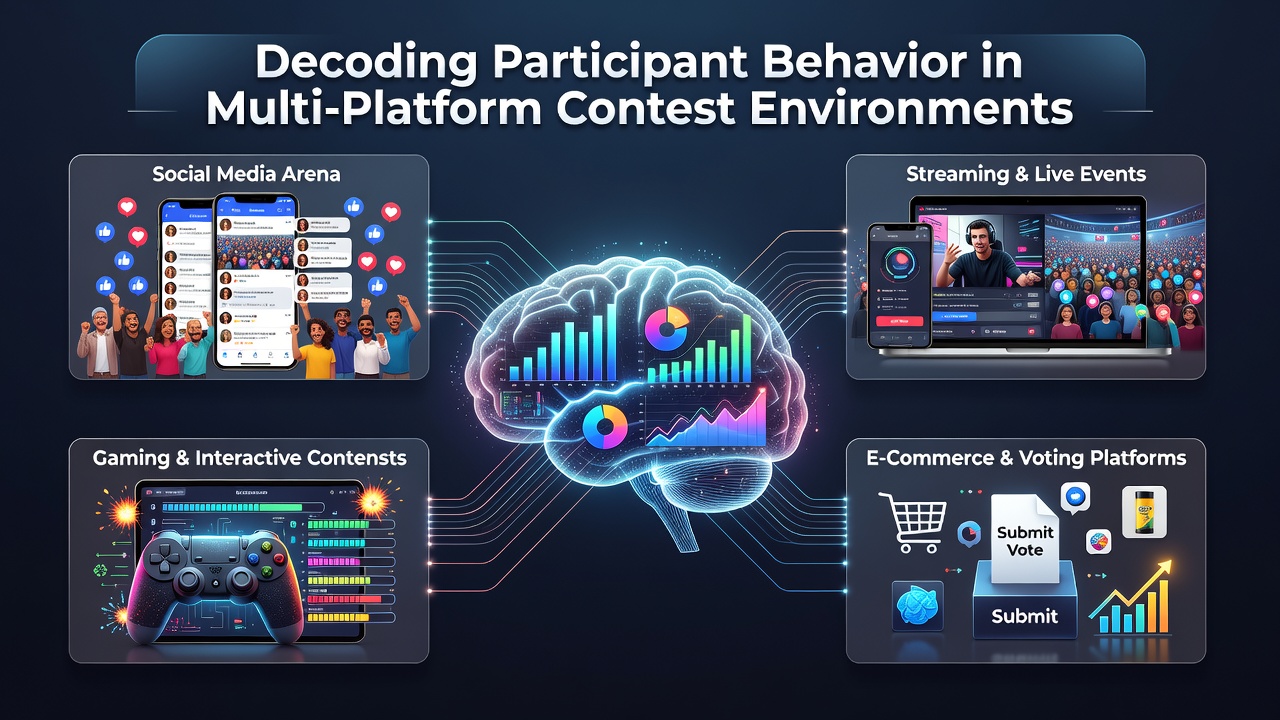
Contest platforms have expanded rapidly in recent years, and researchers tracking entry data note distinct behavioral clusters that emerge when users move between websites, mobile apps, and social networks. Patterns surface most clearly when analysts examine timestamped entries, device types, and completion rates across these channels during peak periods such as August 2026, when seasonal promotions coincide with back-to-school campaigns and late-summer travel giveaways.
Platform-Specific Entry Sequences
Users rarely begin and end their participation on a single site. Data compiled by multiple tracking services shows that roughly 60 percent of entrants start on social media feeds, shift to a dedicated entry form hosted on a brand microsite, and then return to the original platform to share results. This sequence repeats across age groups, although completion times vary, with mobile-first users finishing the loop in under four minutes while desktop participants average closer to seven. Observers note that these loops tighten when contests require cross-post verification, because the extra step filters out incomplete submissions before they reach the final draw.
Temporal Clustering and Device Shifts
Entry spikes cluster around evening hours on weekdays and mid-morning on weekends, according to aggregated logs released by several large promotion management firms. Mobile traffic dominates the evening window, whereas desktop entries rise during lunch breaks when users have stable connections and can upload required photos or receipts without interruption. The same logs reveal that participants who begin on one device frequently switch mid-process, which explains why responsive design and saved progress features now appear in most commercial contest builders. Those who studied this know that failure to accommodate mid-stream device changes correlates with measurable drops in valid submissions.
Demographic Variations in Channel Preference
Age cohorts display measurable differences in preferred starting points. Younger entrants gravitate toward short-form video platforms that embed direct entry links, while older groups show higher initiation rates on email newsletters that route to web forms. Geographic differences also appear. Reports from the Australian Competition and Consumer Commission highlight elevated use of messaging apps for contest referrals in urban areas, whereas rural participants rely more on traditional web portals. These variations persist even when prize types remain constant, suggesting that interface familiarity outweighs reward appeal in initial channel selection.
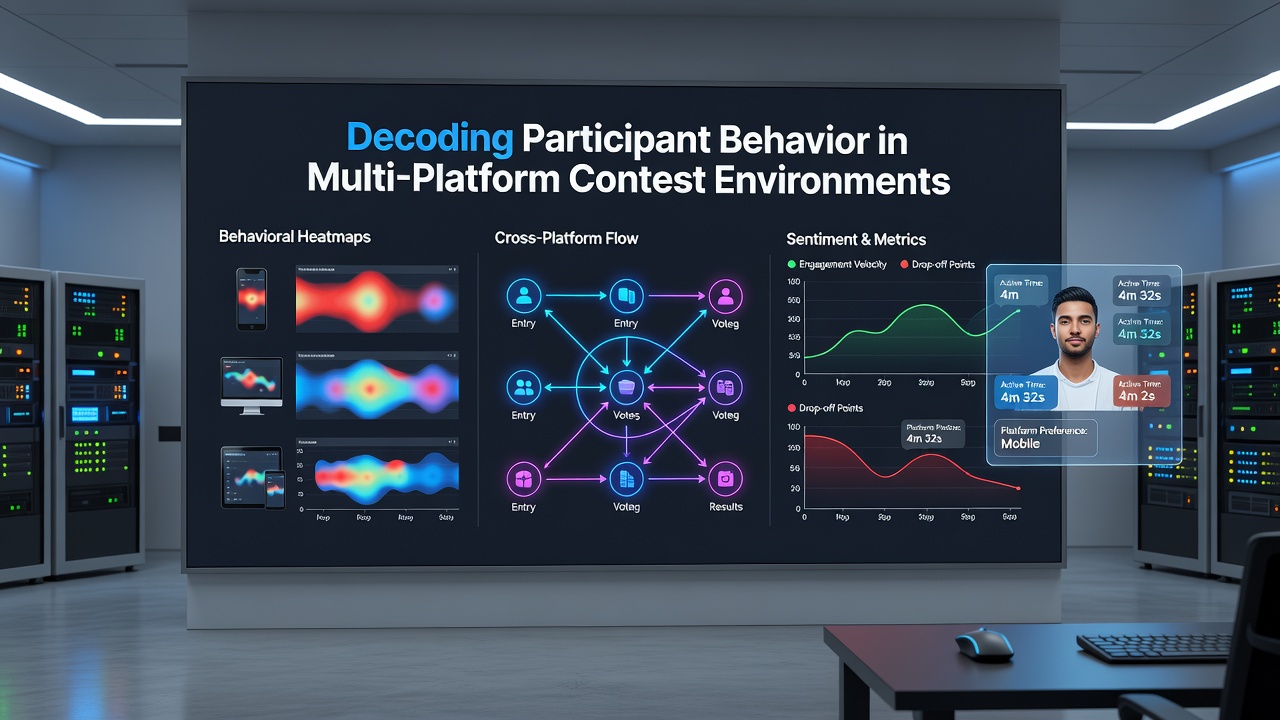
Multi-platform contests that synchronize rules across channels reduce friction for all groups. When eligibility language, prize descriptions, and submission deadlines match exactly, repeat entrants report fewer instances of abandoned forms. The Federal Trade Commission maintains public guidance on consistent disclosure practices that many operators now follow to maintain compliance while supporting these synchronized experiences.
Repeat Participation Indicators
Analysts measure loyalty through return-visit intervals rather than single-entry counts. Participants who enter the same brand's contests within a 14-day window demonstrate higher lifetime entry totals, and this metric holds across both free and skill-based formats. Automated reminders sent 48 hours before deadline closure lift return rates by measurable margins, particularly when the message references the user's prior partial progress. Those who've studied this know that such nudges work best when delivered through the same channel used for the original entry.
Conclusion
Behavioral mapping across contest platforms continues to evolve as new interfaces emerge and regulatory expectations shift. The consistent thread remains the need for synchronized rules, responsive design, and channel-appropriate reminders that respect observed entry sequences and device preferences. Continued collection of timestamped, anonymized data will allow clearer forecasts of participation volume and completion likelihood in future multi-platform campaigns.