Prize Fulfillment Unpacked: Logistics Behind Claim Processing and Shipping in National Promotional Events
Taylor Hayes · Jun 11, 2026
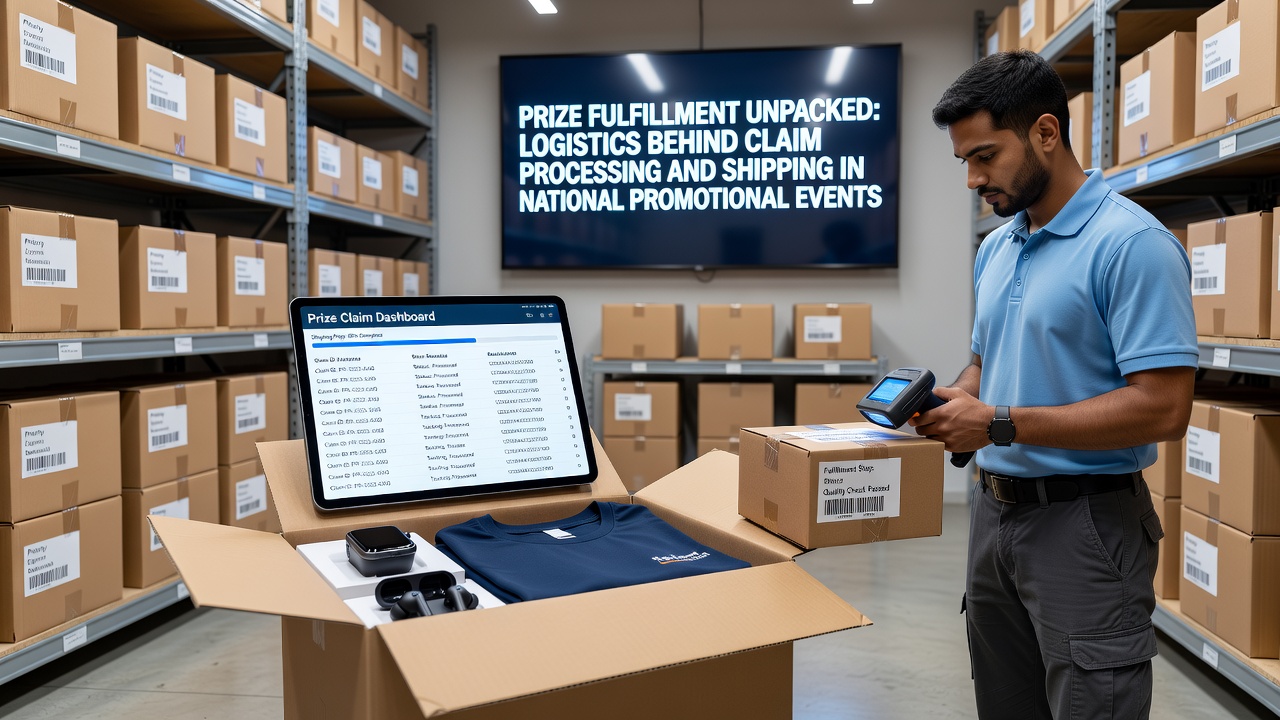
Prize Fulfillment Unpacked: Logistics Behind Claim Processing and Shipping in National Promotional Events
National promotional events generate thousands of prize claims each year, and the journey from winner notification to doorstep delivery involves multiple coordinated steps that run through verification systems, inventory checks, and carrier networks. Observers note that these processes have grown more intricate since regulatory updates took effect across several jurisdictions in early 2025, with June 2026 expected to bring additional scrutiny on cross-border shipments for major campaigns.
Initial Claim Submission and Documentation Review
Winners typically receive notification via email or certified mail, after which they must submit proof of eligibility within a set window that often spans 10 to 30 days. Claim processors cross-reference entries against original sweepstakes records, confirm age and residency requirements, and validate any required affidavits or tax forms before releasing prizes for packing. Data from the Federal Trade Commission shows that incomplete submissions account for roughly 18 percent of delays in U.S.-based promotions, prompting many organizers to deploy automated portals that flag missing fields in real time.
Canadian regulators, through the Competition Bureau, similarly emphasize clear disclosure of claim deadlines, and firms operating across both countries maintain dual-compliance checklists to avoid penalties. When documentation passes review, the file moves to an inventory allocation system that matches each prize with available stock while accounting for reserve units held for contingencies.
Packaging Standards and Carrier Coordination
Once cleared, items enter specialized packaging lines where fragile electronics receive foam inserts and apparel receives garment bags to prevent wrinkling during transit. Fulfillment centers often operate 24-hour shifts during peak campaign periods, such as the holiday promotions that run from October through December, because volume spikes can exceed 40 percent above baseline. Shipping labels generated at this stage include tracking numbers linked to the original claim ID, allowing both organizers and winners to monitor progress through carrier dashboards.
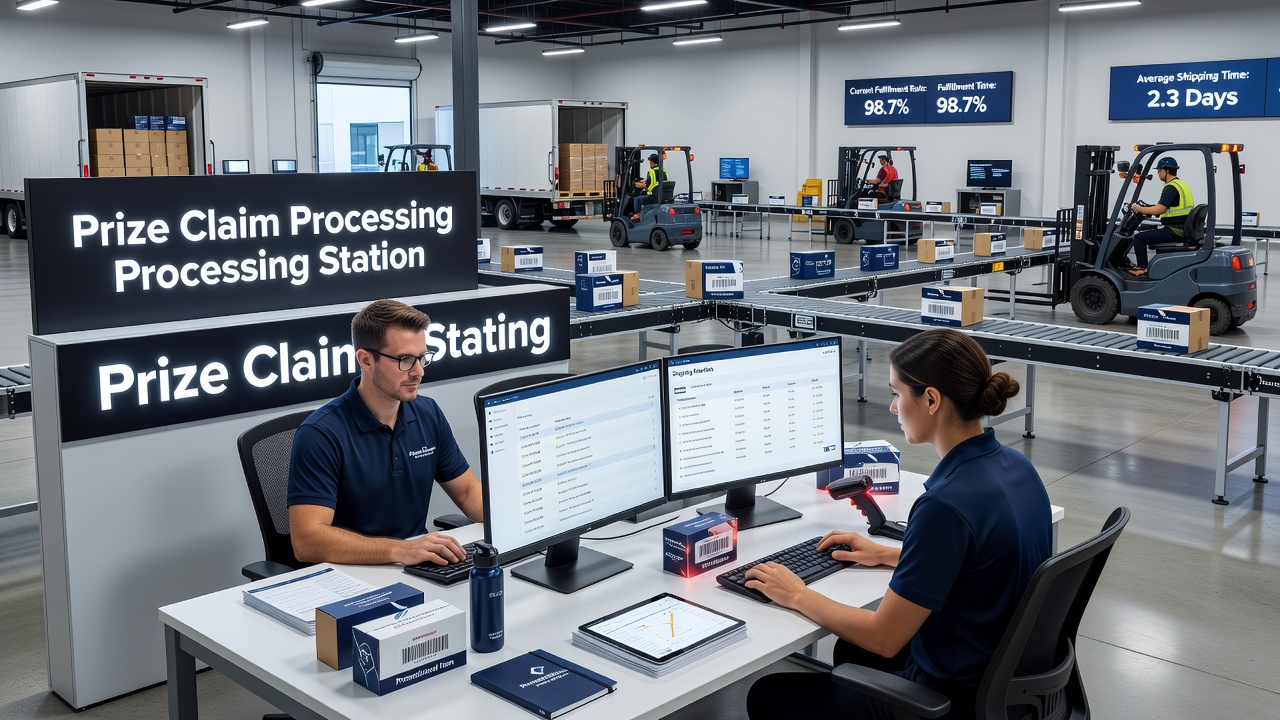
Carriers such as FedEx, UPS, and regional postal services apply dimensional weight calculations that affect final costs, and organizers frequently negotiate volume rates that keep per-unit expenses predictable. International winners introduce additional layers because customs declarations must list accurate values and descriptions to satisfy import rules in destination countries. Research published by the Australian Competition and Consumer Commission highlights that mismatched paperwork on cross-border prize shipments leads to holds lasting up to three weeks in some cases.
Tracking, Delivery Confirmation, and Exception Handling
Real-time tracking feeds update every few hours while packages move through sorting hubs, and delivery confirmation triggers automatic status changes in the organizer’s database. When exceptions occur, such as address corrections or weather-related reroutes, logistics teams contact winners directly to resolve issues before items return to sender. Insurance coverage on higher-value prizes, often required by promotion rules, covers loss or damage up to declared limits, and claims filed under these policies follow separate documentation paths that run parallel to the original fulfillment workflow.
Industry reports from the Promotion Marketing Association indicate that return rates for unclaimed or refused prizes hover around 6 percent annually, prompting many companies to maintain secondary distribution channels that redirect those items to charitable partners rather than restocking. In June 2026, several major brands plan to pilot blockchain-based tracking for high-value electronics giveaways, aiming to create immutable records that satisfy both auditors and winners who request proof of chain of custody.
Regulatory Compliance and Record Retention
Federal and state laws require organizers to retain claim records for periods ranging from three to seven years, depending on jurisdiction, and these archives must remain accessible during audits. Tax reporting obligations surface once prizes exceed certain thresholds, with U.S. filers issuing 1099 forms for values over $600 while European operators follow separate value-added tax protocols. Compliance teams routinely audit fulfillment vendors to confirm that data privacy standards, including those outlined in the EU’s General Data Protection Regulation, remain intact throughout the shipping sequence.
Conclusion
The logistics chain supporting national promotional events connects claim intake, verification, packaging, and final delivery through tightly synchronized systems that adapt to regulatory shifts and volume fluctuations. Observers tracking developments into 2026 note continued investment in automation and cross-border documentation tools as organizers seek to maintain compliance while meeting winner expectations for timely receipt of prizes.