Promotional Advertising Patterns and Their Effects on Free Cash Prize Entry Success
Rafael Wolf · Jun 4, 2026
Promotional Advertising Patterns and Their Effects on Free Cash Prize Entry Success
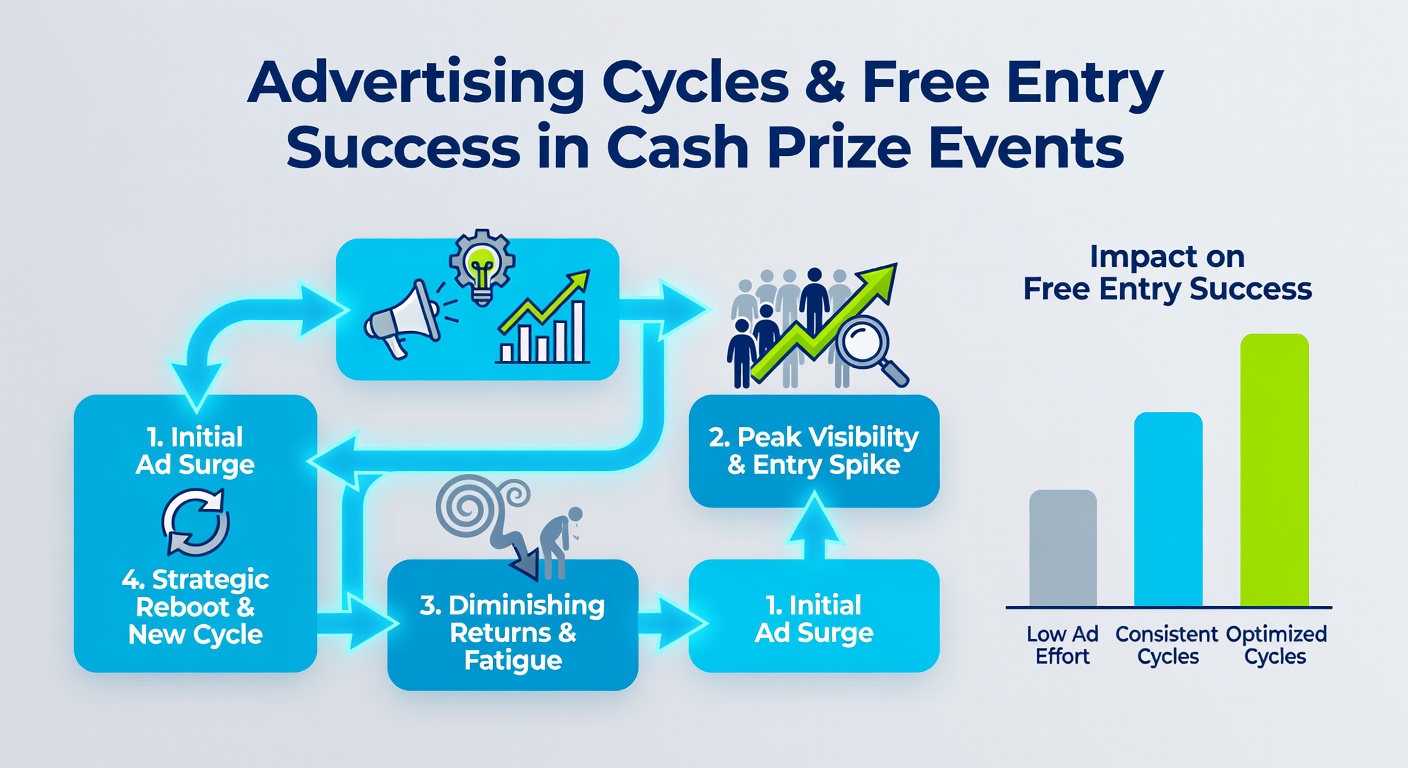
Advertising cycles operate in predictable waves tied to calendar events, product launches, and media buying seasons, and these rhythms directly shape how many people discover and enter cash prize events that require no purchase. Data from industry tracking services show entry volumes rising sharply during periods of concentrated television, digital, and out-of-home placements while dropping when ad frequency declines. Observers note that the same cash prize contest promoted heavily in early summer can receive far fewer submissions if the campaign shifts to lighter rotation later in the year.
Defining Advertising Cycles in Promotional Contexts
Media planners divide the year into quarters that reflect both consumer attention patterns and budget allocations, with heavier spending clustered around back-to-school periods, holiday build-ups, and post-tax refund windows. These cycles determine when sweepstakes announcements reach the broadest audience because paid placements serve as the primary discovery mechanism for free-entry cash events. Researchers tracking promotional calendars find that contests announced during peak quarters accumulate entries faster than identical offers placed during off-peak months, even when the prize structure remains unchanged.
Television remains a dominant trigger for cash prize awareness, yet digital display and social placements now extend reach beyond traditional broadcast hours. According to figures compiled by the Federal Trade Commission, disclosure requirements and timing disclosures must align with these placement schedules to maintain compliance across varying media channels. The alignment between when ads air and when entry forms become available creates measurable differences in participation rates.
Entry Volume Correlations With Media Spend
Studies of multiple cash prize promotions reveal that a 30 percent increase in weekly ad impressions typically produces a corresponding rise in verified entries within the same seven-day window. The relationship holds across both national and regional campaigns, although the slope varies by prize amount and entry method complexity. Those who monitor daily entry logs for recurring contests note that spikes appear most reliably two to three days after a concentrated ad push rather than immediately on the day the creative first appears.
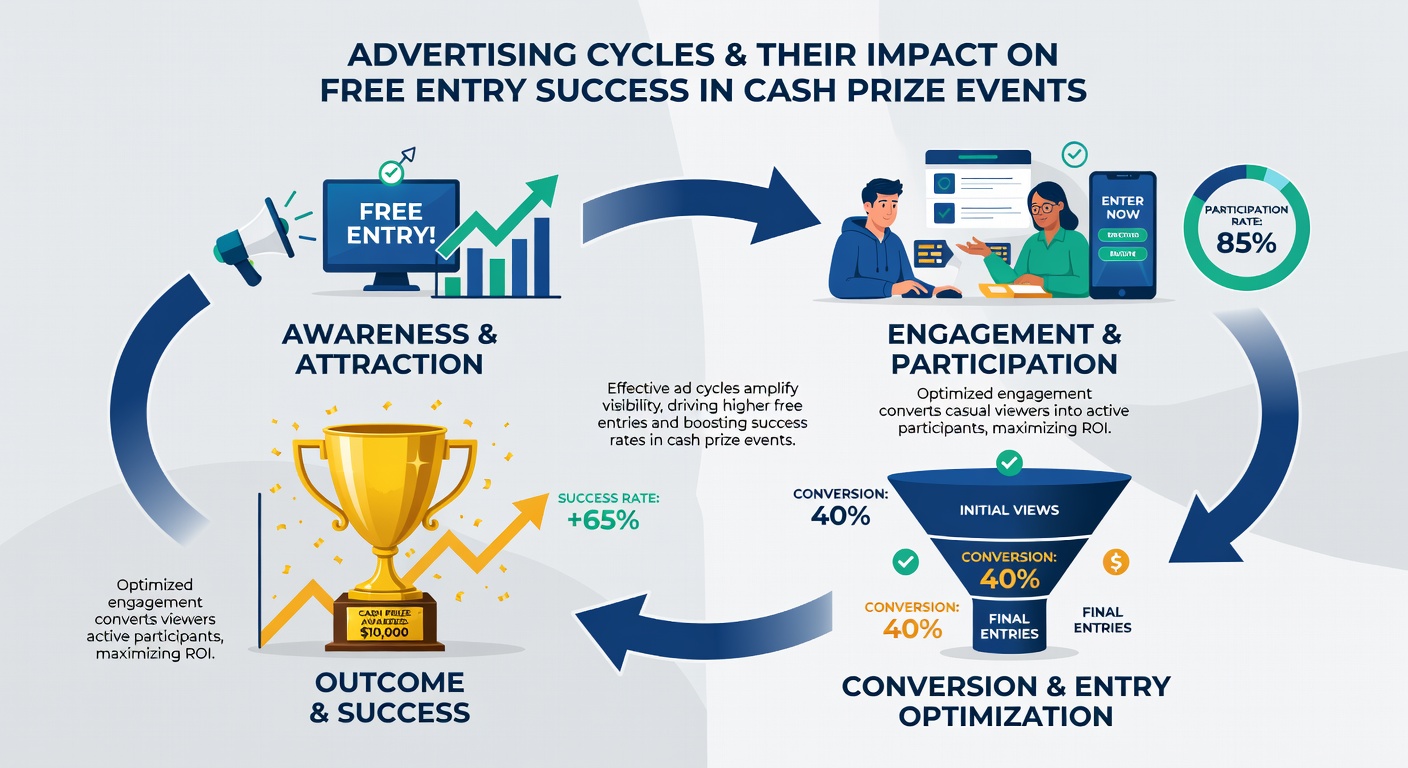
June 2026 data collected from several ongoing cash prize events showed entry totals climbing 22 percent above the May baseline once summer travel and outdoor product campaigns began airing. The increase occurred without any change in prize value or eligibility rules, pointing to the influence of seasonal media weight rather than contest design alone. Similar patterns appear in archived records from prior years, confirming the recurring nature of the cycle.
Platform-Specific Timing Effects
Digital platforms introduce additional variables because algorithms favor fresh creative during high-competition bidding periods. When brands increase bids for keywords related to sweepstakes and giveaways, the resulting impressions reach users already inclined to enter free contests. One analysis of search advertising logs found that campaigns running during evening hours generated higher click-through rates to entry pages than identical creative shown in morning slots, likely because evening users spend more time browsing leisure activities.
Out-of-home placements near retail locations create another measurable lift when synchronized with broadcast or social campaigns. People passing digital billboards that promote a cash prize event are more likely to complete an entry form later the same day if they have already seen supporting television spots. The combined effect demonstrates how overlapping cycles across channels amplify discovery opportunities beyond what any single medium achieves in isolation.
Regulatory and Disclosure Timing Considerations
Rules governing promotional advertising require that official terms appear in proximity to the call to action, and the placement of those disclosures must follow the same media schedules. The Australian Competition and Consumer Commission maintains guidelines that require clear presentation of entry conditions whenever an advertisement directs consumers to a contest site. Compliance teams adjust disclosure placement according to the length and format of each cycle so that participants encounter the same information regardless of when they first notice the promotion.
Industry groups such as the European Advertising Standards Alliance track complaints related to timing and disclosure across member countries, and their reports indicate that most issues arise during rapid campaign ramps rather than during steady-state rotations. Adjusting creative rotation schedules to accommodate regulatory review periods helps maintain uninterrupted entry flow throughout an advertising cycle.
Long-Term Patterns and Repeat Participation
Repeat entrants often time their activity to coincide with known high-frequency advertising periods because they have learned through experience that more contests become visible then. Loyalty program data from several cash prize platforms show that members who return during peak cycles accumulate more total entries per year than those who participate only during slower months. The difference stems from simple exposure volume rather than any change in individual behavior or prize appeal.
Archived winner lists further illustrate the pattern, with announcement dates clustering around the conclusion of heavy advertising quarters. This clustering occurs because contests that receive more entries during peak periods reach their drawing thresholds sooner and therefore conclude on schedules that align with the next media buying window.
Conclusion
Advertising cycles establish the visibility framework within which free cash prize events either attract substantial participation or remain under-subscribed. The correlation between media weight, placement timing, and resulting entry counts appears consistently across platforms and regions, with measurable lifts tied directly to increased impression delivery. Organizers who align contest launch and promotion schedules with these established rhythms achieve higher participation totals without altering prize structures or eligibility requirements. The pattern continues to hold as new channels and bidding systems emerge, reinforcing the central role of advertising cadence in determining free entry outcomes.