Seasonal Marketing Collaborations Unlock Contest Pathways to Complimentary Product Wins
Morgan Perry · May 17, 2026
Seasonal Marketing Collaborations Unlock Contest Pathways to Complimentary Product Wins
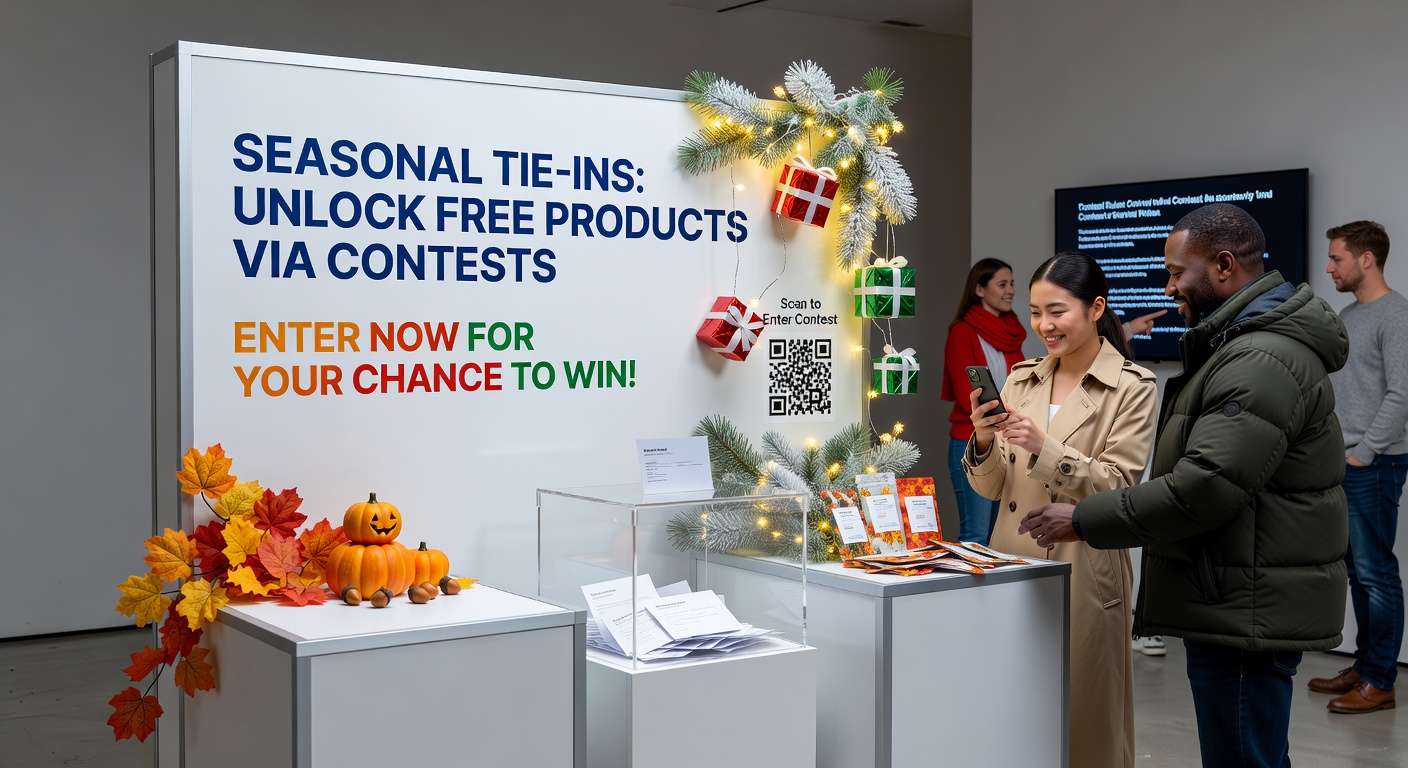
Seasonal advertising tie-ins connect brands with calendar events such as holidays, weather shifts, and cultural milestones, and these partnerships frequently incorporate contests that allow participants to acquire products at no cost. Companies align product launches with specific times of year, embedding entry mechanisms into advertisements so viewers can register for drawings or competitions directly through the campaign materials.
Mechanics Behind Seasonal Campaign Structures
Brands design advertisements that reference upcoming seasons while embedding contest details like entry codes, QR scans, or social media hashtags. Research from marketing analytics firms indicates that campaigns timed around events such as spring renewal periods or summer festivals generate higher engagement rates because consumers already associate certain items with those moments. Data shows that product giveaways tied to these promotions often feature electronics, apparel, or household goods selected to match the seasonal theme, creating direct acquisition opportunities without purchase requirements in many cases.
Entry processes usually involve simple actions such as submitting an online form, sharing a post, or answering a brief quiz that appears within the ad itself. Observers note that this integration reduces friction for participants, since the same platform displaying the advertisement also hosts the contest registration. According to industry reports, successful tie-ins maintain clear rules about eligibility periods, which often span several weeks leading into the target season.
Patterns Observed Across Different Times of Year
Spring campaigns frequently promote outdoor equipment and home improvement items through contests that coincide with gardening shows or Earth Day events. Participants enter by uploading photos of their current setups or by completing short surveys about their seasonal plans. Summer promotions shift focus toward travel accessories and cooling products, with contests announced during major sporting events or music festivals where viewers text keywords displayed on screen.
Fall advertising highlights apparel and school supplies through back-to-school partnerships, while winter campaigns emphasize electronics and gift items around holiday shopping periods. In May 2026, several major retailers launched Memorial Day weekend promotions that paired barbecue grills and patio furniture with entry-based giveaways, allowing users to register via mobile apps linked directly from television and online ads. These efforts demonstrate how brands maintain consistent contest frameworks even as product categories rotate with the calendar.
Regulatory Frameworks Guiding These Promotions
Government agencies establish guidelines that govern how contests appear in seasonal advertising to ensure transparency around odds, deadlines, and prize values. The Federal Trade Commission in the United States publishes rules requiring clear disclosure of entry methods and any material limitations, while similar oversight exists through bodies such as the Australian Competition and Consumer Commission. Compliance teams at advertising agencies review copy to avoid misleading language about guaranteed wins, focusing instead on factual statements about random selection processes.
Studies from academic marketing departments reveal that campaigns adhering closely to these standards experience fewer participant complaints and maintain higher trust levels across repeated seasonal cycles. Companies often publish full rule sets on dedicated landing pages, linking back from the original advertisement so entrants can review terms before submitting information.
Participant Strategies and Entry Volume Trends
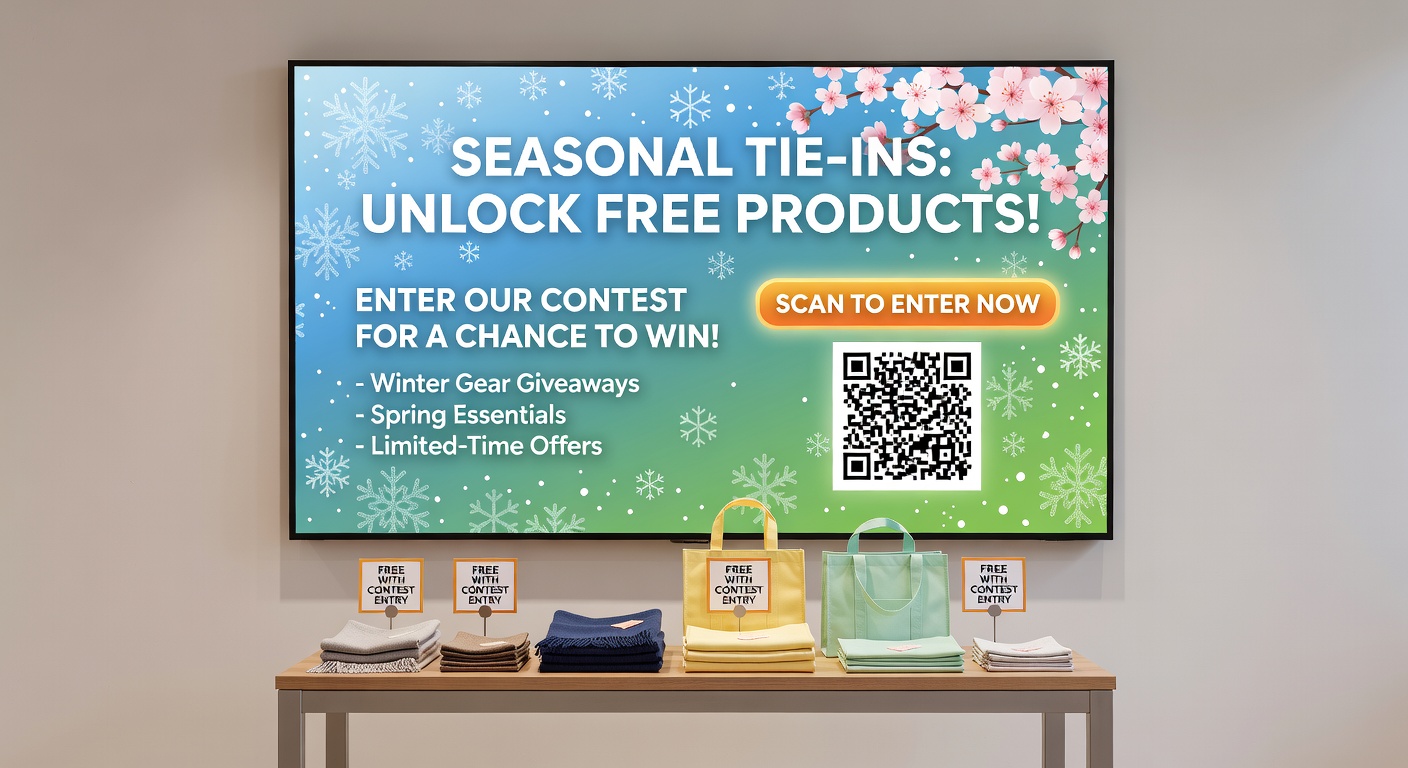
Those who track seasonal promotions regularly report higher success rates when they combine multiple entry channels, such as completing both online forms and social shares within the same campaign window. Figures from sweepstakes monitoring services show that volume spikes occur during the first and last weeks of promotion periods, particularly when advertisements appear across television, streaming services, and retail websites simultaneously. Contest organizers sometimes release teaser announcements weeks in advance, allowing interested individuals to prepare materials like product reviews or creative submissions required for certain seasonal themes.
Entry aggregation platforms collect listings of active contests, sorting them by season and product category so users can identify relevant opportunities without searching individual brand sites. This centralized approach helps participants manage time across overlapping promotions that run during busy holiday periods.
Future Outlook for Integrated Advertising and Contests
Technology continues to expand how seasonal tie-ins function, with augmented reality filters and location-based notifications adding new layers to contest entries. Brands experiment with voice-activated registrations through smart speakers during holiday ad blocks, while data analytics help refine which products pair most effectively with specific calendar events. Reports from research institutions tracking consumer behavior suggest these methods will sustain growth in free product acquisition channels as long as regulations keep pace with digital delivery formats.
Conclusion
Seasonal advertising tie-ins create structured pathways for contests that deliver products through established entry systems rather than direct purchases. The combination of timed promotions, clear regulatory compliance, and multi-channel participation options supports ongoing opportunities across various times of year. Observers continue to document how these campaigns evolve with technology while preserving core elements of random selection and public disclosure that define legitimate product giveaways.