Social Media Algorithms Shape How Promotional Prize Opportunities Reach Users
Morgan Perry · Jun 7, 2026
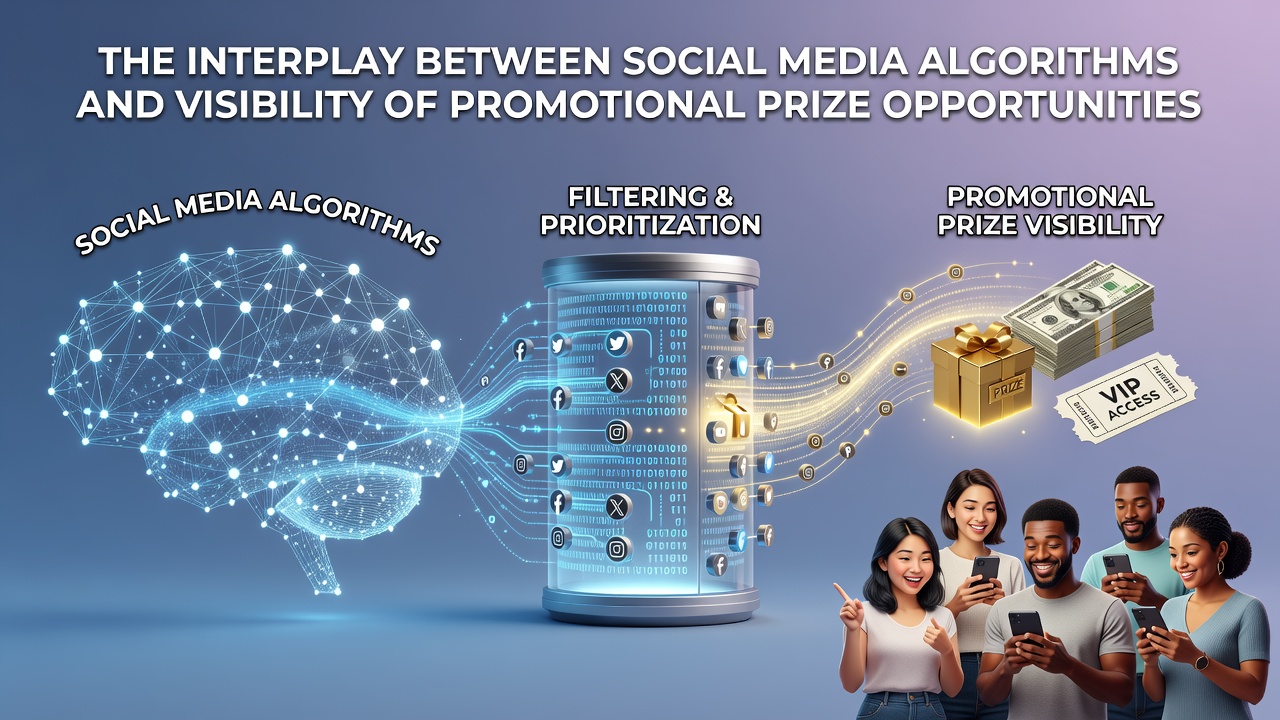
Social Media Algorithms Shape How Promotional Prize Opportunities Reach Users
Platform Algorithms and Content Distribution Basics
Algorithms on major platforms such as Instagram, Facebook, TikTok, and X determine which posts appear in user feeds based on signals including engagement rates, posting frequency, and account authority, while promotional prize opportunities depend heavily on these same mechanisms for exposure. Researchers at various institutions have documented how these systems prioritize content that generates quick interactions like likes, comments, and shares, which means sweepstakes promotions often compete directly with other high-engagement material. Data from platform transparency reports shows that posts with strong initial traction receive amplified distribution, whereas lower-performing entries fade rapidly even when they promote legitimate prize draws.
Observers note that timing plays a significant role because algorithms favor fresh content during peak user hours, and promotional campaigns timed around these windows tend to accumulate visibility faster than those posted during off-peak periods. Studies from academic sources confirm that machine learning models continuously adjust to user behavior patterns, which creates dynamic environments where prize-related posts gain or lose prominence within hours.
Factors That Determine Visibility for Prize Promotions
Several measurable elements influence whether promotional prize content surfaces effectively, including relevance to user interests, account history, and network connections, while platforms refine these criteria through ongoing updates. For instance, accounts that consistently post about giveaways build algorithmic recognition over time, leading to broader reach among followers who have previously engaged with similar material. Evidence from industry analyses indicates that video formats often outperform static images on visual-first platforms because they encourage longer watch times and higher completion rates, both of which feed into ranking signals.
Geographic targeting further modulates exposure because algorithms incorporate location data alongside language preferences, which allows regional sweepstakes to appear primarily to users in specific areas. Figures from digital advertising reports reveal that cross-platform sharing can extend visibility when users repost prize opportunities on secondary networks, although each platform applies its own filtering logic independently.
Impact on User Discovery Patterns
Users encounter promotional prize opportunities through algorithmic recommendations rather than direct searches in many cases, and this pathway affects how quickly information spreads among interested audiences. Those who follow giveaway accounts or interact with past promotions receive more frequent suggestions in their feeds, whereas casual browsers rely on trending or sponsored placements that algorithms surface based on broader popularity metrics. Research indicates that personalized recommendations account for a substantial portion of content consumption on leading platforms, which directly shapes the discovery rate of time-sensitive prize entries.
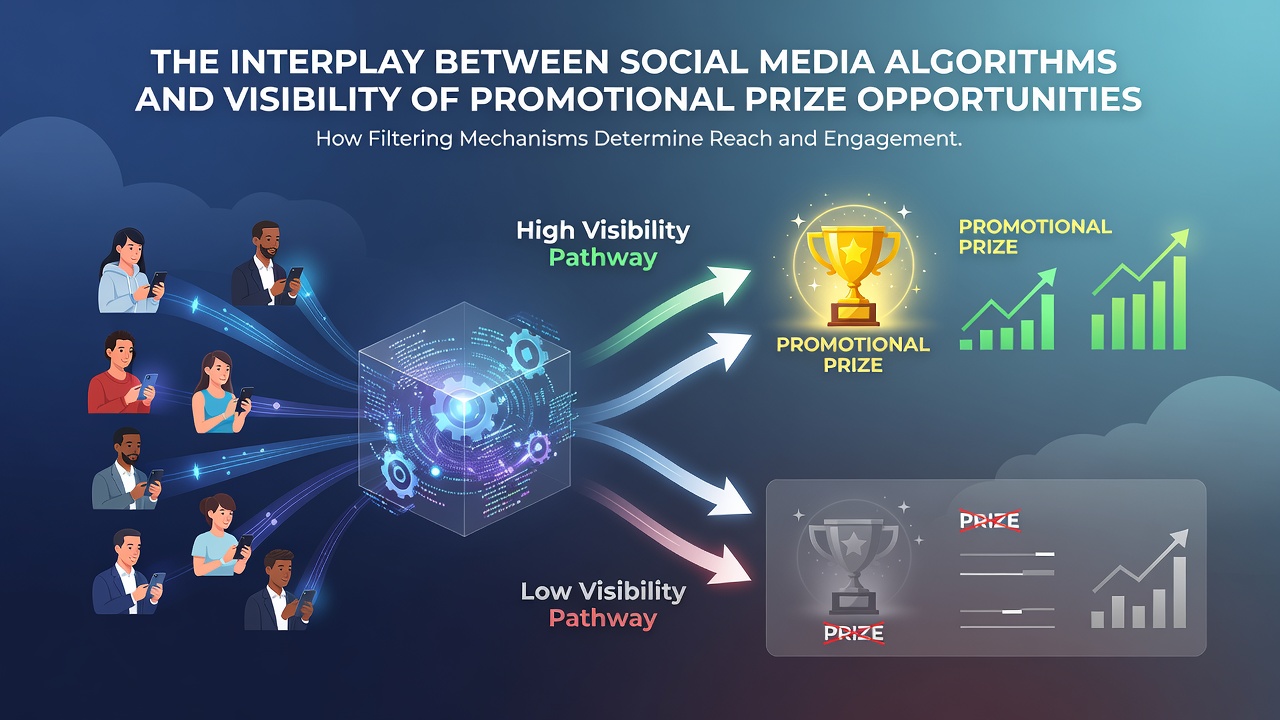
Engagement clusters form when initial viewers share prize posts within tight social circles, and algorithms detect these patterns to extend distribution further, creating feedback loops that either amplify or suppress reach. Data collected through platform APIs demonstrates that posts with rapid comment activity often receive secondary boosts even if overall like counts remain moderate.
Regulatory and Transparency Developments
Government agencies monitor how algorithms handle commercial promotions including prize opportunities, and requirements for disclosure have evolved in multiple jurisdictions. The U.S. Federal Trade Commission has issued guidance on endorsement practices that extends to algorithmic amplification of sponsored content, while the Australian Competition and Consumer Commission has examined similar transparency issues in digital advertising ecosystems. Observers report that these frameworks encourage clearer labeling of promotional material so that users understand why certain prize posts appear in their feeds.
As of June 2026, updates to digital services regulations in the European Union continue to emphasize algorithmic accountability, requiring platforms to provide users with options to adjust recommendation settings that affect exposure to promotional material. Industry organizations track compliance trends across regions and note that consistent disclosure practices help maintain trust in prize promotion ecosystems.
Practical Implications for Promoters and Participants
Those managing promotional prize campaigns adjust posting strategies to align with known algorithmic preferences, such as incorporating calls to action that encourage immediate comments or using relevant hashtags that match trending topics. Participants who follow multiple accounts and engage regularly with prize content tend to see more opportunities because their activity signals strengthen algorithmic recommendations. Reports from research institutions show that coordinated posting schedules across platforms can improve overall visibility without violating platform rules.
Analytics tools provided by the platforms themselves allow promoters to review performance metrics and refine approaches, while participants benefit from understanding that visibility remains subject to ongoing algorithmic changes. Evidence suggests that diversified distribution methods, including email lists and direct website entries, complement social media exposure rather than relying solely on algorithmic reach.
Conclusion
The relationship between social media algorithms and promotional prize visibility continues to evolve through platform updates and regulatory oversight, with data consistently showing that engagement signals, timing, and user behavior patterns drive exposure levels. Promoters and participants alike operate within systems where visibility depends on measurable interactions rather than static placement, and transparency measures from various regulatory bodies help clarify these processes. Ongoing research from academic and industry sources provides further insight into how these dynamics function across different platforms and regions.