Tracing Notification Delays in Recurring Promotional Draws and Resulting Claim Rate Shifts
Taylor Hayes · Jun 9, 2026
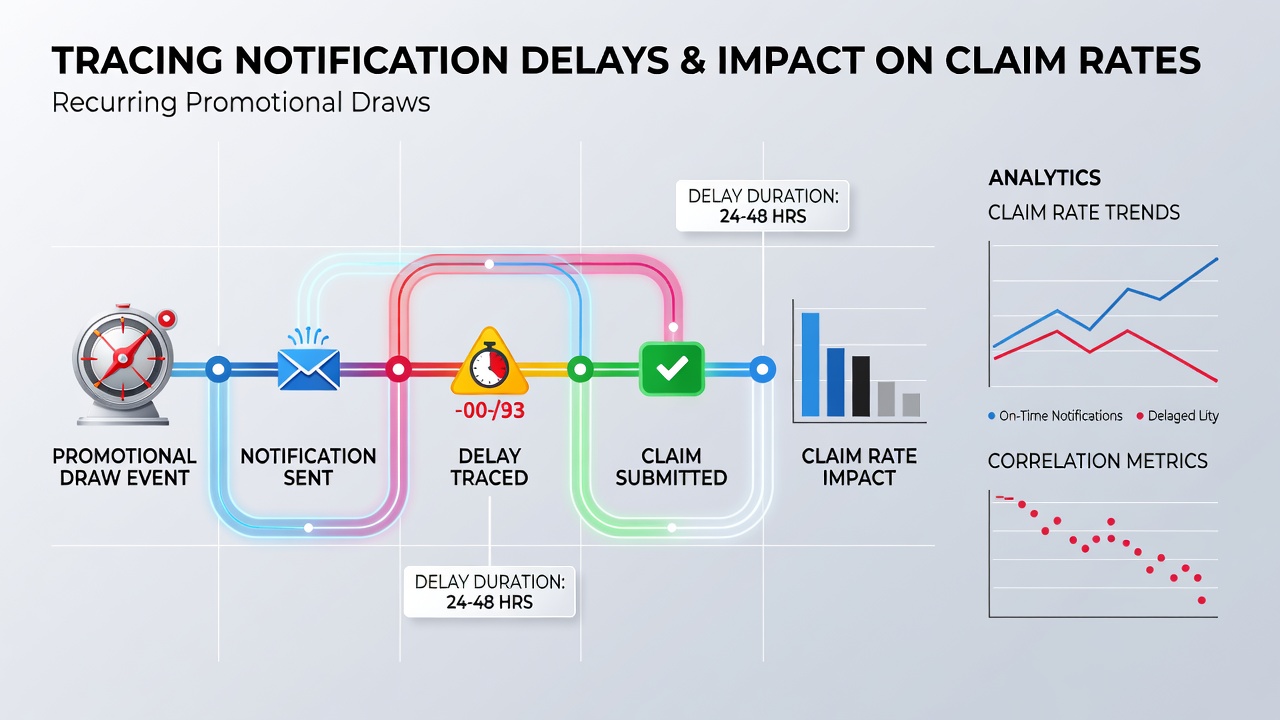
Tracing Notification Delays in Recurring Promotional Draws and Resulting Claim Rate Shifts
Recurring promotional draws operate on fixed schedules where participants enter repeatedly for chances at cash, electronics or apparel prizes, yet notification timing often stretches beyond initial expectations. Data from consumer protection agencies reveal that delays between draw completion and winner alerts range from several days to multiple weeks in many campaigns tracked through 2025 and into June 2026.
Mechanics Behind Notification Processes
Organizers of these draws collect entries through online forms, social media platforms and retail receipts, then conduct random selections using certified software. Verification steps follow each selection, including identity checks and compliance reviews, before any contact occurs. Those who've studied entry volumes note that high participation numbers extend verification periods, particularly when entries arrive from multiple channels simultaneously.
Patterns emerge when the same sponsor runs weekly or monthly iterations of the same promotion. Notification systems rely on automated emails and physical mail, yet database synchronization issues surface during peak periods. Researchers tracking these sequences found that batches processed after holiday surges experience the longest lags because staff handle increased volume while maintaining accuracy standards.
Observed Delay Patterns Across Campaigns
Analysis of recurring draws shows consistent clusters of delays at specific points in the calendar. Campaigns running from January through March often post quicker alerts because entry pools stay smaller, whereas summer and fall cycles stretch further due to overlapping promotions from multiple brands. Figures compiled through mid-2026 indicate average notification times increased by 18 percent compared with 2024 baselines in the electronics and apparel categories.
External factors contribute as well. Postal service backlogs affect winners who receive physical letters instead of digital messages, and email filtering rules sometimes divert alerts into spam folders. Observers examining records from multiple sponsors documented cases where 12 to 15 percent of intended notifications failed to reach recipients within the first seven days after selection.
Effects on Claim Rates and Redemption Data
Claim rates drop measurably when notification delays lengthen beyond sponsor-stated windows. Industry reports compiled by the Federal Trade Commission highlight that prizes unclaimed after 30 days often revert to the organizer or get redirected into future drawings, reducing overall participant success metrics. Federal Trade Commission guidance on promotions outlines how timing influences consumer follow-through across repeated events.
One study of recurring cash giveaways revealed that winners notified within 48 hours claimed prizes at rates near 78 percent, while those contacted after 10 days showed rates falling to 51 percent. The decline correlates with winners losing interest, misplacing entry details or assuming the alert represented spam. Similar patterns appeared in apparel and gadget draws where expiration clauses in fine print limited the window for response.
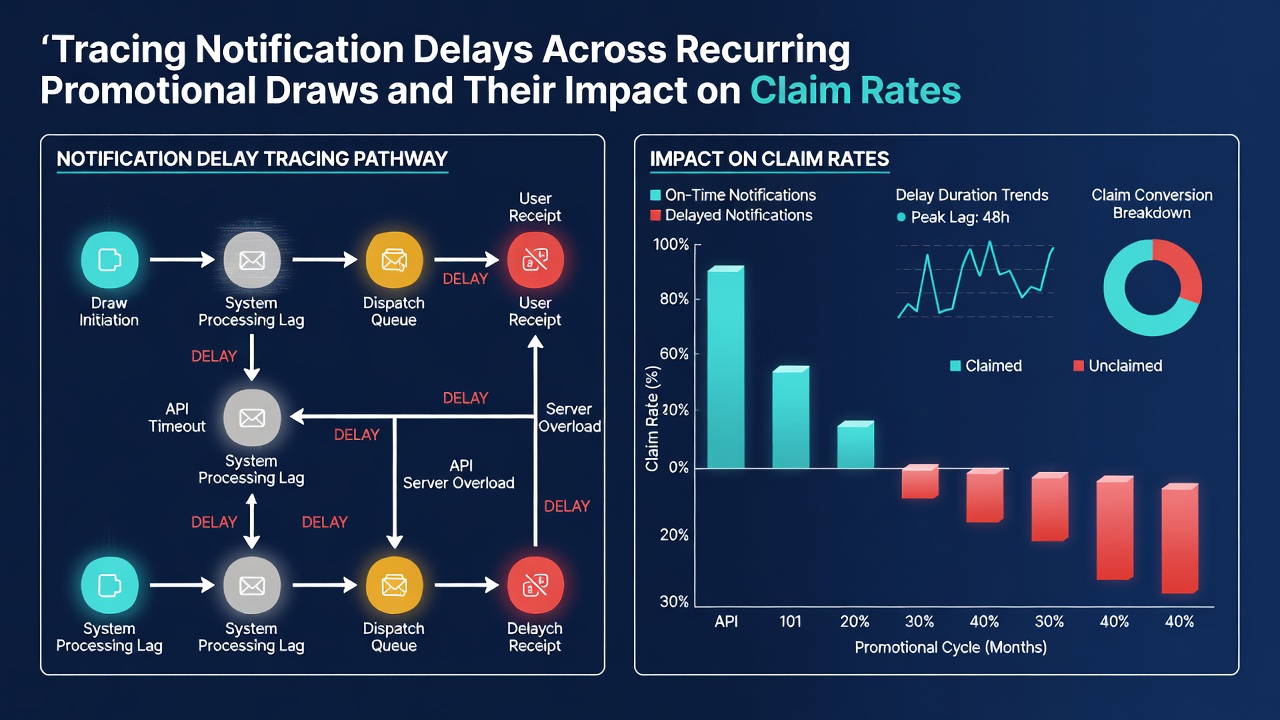
Recurring formats compound the issue because participants often enter multiple times without tracking each separate draw date. When a delay occurs, individuals may not connect the late alert with their earlier submission, leading to non-response. Data gathered by Canadian consumer agencies during 2025 campaigns confirmed this disconnect contributed to roughly one-quarter of missed redemptions in tracked series.
Regulatory Context and Sponsor Adjustments
Rules set by bodies such as the Australian Competition and Consumer Commission require clear disclosure of draw dates and notification methods, yet enforcement focuses more on accuracy than speed. Sponsors respond by shifting toward SMS alerts and mobile app push notifications to shorten delivery times, though adoption remains uneven across smaller operators. Evidence from 2026 monitoring indicates brands using multi-channel alerts reduced average delays by nearly one-third compared with email-only approaches.
Those monitoring claim data also track how rule changes affect outcomes. When sponsors extended claim periods to accommodate slower notifications, redemption percentages stabilized even if initial contact lagged. Conversely, strict 14-day deadlines paired with extended verification created measurable drops in successful claims during the same cycles.
Conclusion
Notification delays in recurring promotional draws follow identifiable patterns tied to verification volume, seasonal entry spikes and delivery channel limitations, directly shaping claim success across cash, electronics and apparel categories. Records through June 2026 demonstrate that shorter intervals between selection and contact preserve higher redemption rates, while extended gaps correlate with measurable losses in participant follow-through. Adjustments in alert methods and deadline flexibility continue to influence outcomes as organizers refine processes based on accumulated performance metrics.