Verification Sequences and Their Role in Shaping Member Prize Payout Schedules
Morgan Perry · May 19, 2026
Verification Sequences and Their Role in Shaping Member Prize Payout Schedules
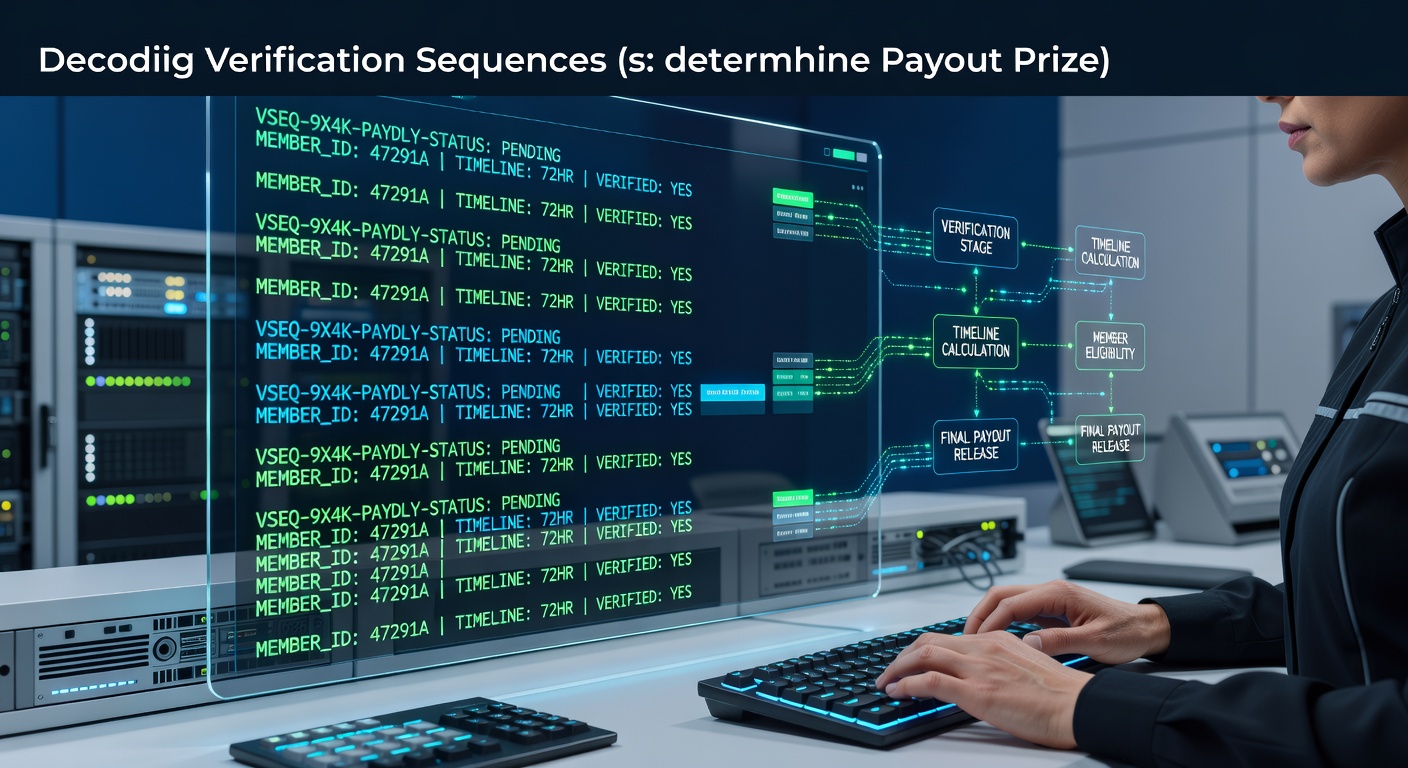
Verification sequences serve as structured checkpoints within member prize distribution systems, and they directly influence how quickly recipients receive their awards. These sequences typically combine account confirmation steps, identity checks, and compliance reviews before any funds or products move forward. Observers note that platforms handling ongoing distributions often embed these layers to meet regulatory standards while maintaining operational flow.
Core Components of Verification Sequences
Each sequence usually starts with basic account validation followed by deeper data cross-checks, and this layered approach helps prevent errors in large-scale programs. Research indicates that automated tools now handle initial screening in many systems, which allows human reviewers to focus on flagged cases only. Data from consumer promotion reports shows average processing times shrink when sequences run in parallel rather than sequentially.
Identity verification often pulls information from government databases or third-party services, while compliance checks scan for duplicate entries or eligibility violations. Those who manage these platforms report that integrating real-time API connections reduces delays, especially during high-volume periods like seasonal campaigns. As of May 2026, several major operators have upgraded their systems to include biometric options that further streamline the early stages of each sequence.
How Sequences Directly Affect Payout Timelines
Once verification clears, the system releases the prize according to predefined schedules that account for banking cycles, shipping logistics, and audit windows. Payouts for cash awards frequently follow electronic transfer protocols that add one to three business days after approval, whereas physical goods require additional coordination with fulfillment centers. Figures from industry analyses reveal that incomplete sequences extend timelines by an average of five to seven days.
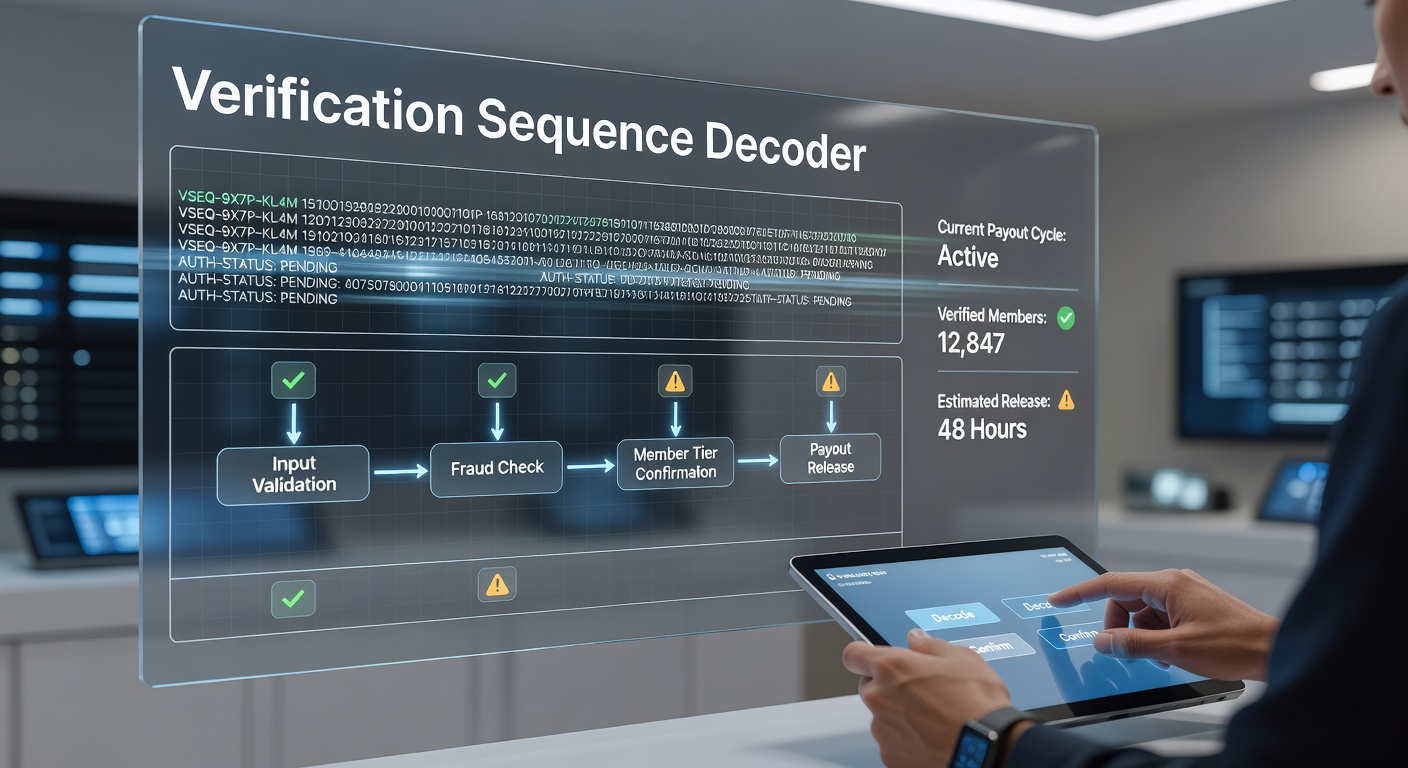
Member programs that run continuous distributions often batch approvals weekly, which creates predictable release dates for verified winners. But here's the thing: any mismatch in provided details triggers a secondary review loop that restarts parts of the sequence. Studies from research institutions demonstrate that clear instructions at entry points cut resubmission rates significantly, helping maintain steady throughput.
Regional Regulatory Influences on Sequence Design
Different jurisdictions impose varying requirements that shape how sequences are built and executed. The Federal Trade Commission outlines rules for promotions that affect U.S.-based programs, and operators adjust verification depth accordingly to stay compliant. In Australia, guidance from the Australian Competition and Consumer Commission emphasizes transparency in prize terms, which leads programs to include explicit sequence explanations in member communications.
European operators reference consumer protection frameworks that require documented proof of eligibility before funds transfer, and this adds specific documentation steps to many sequences. Academic papers on promotional mechanics highlight how these regional differences create varied average payout windows across global platforms. Programs serving multiple markets therefore maintain modular sequence designs that adapt to local rules without disrupting overall operations.
Common Factors That Extend or Shorten Timelines
High-volume entry periods often strain verification capacity, leading to temporary backlogs even when individual sequences function efficiently. Tax reporting thresholds trigger extra reviews for larger prizes, and this step alone can add processing time depending on jurisdiction. Observers note that members who maintain updated profiles experience fewer interruptions because systems retrieve current data without manual follow-up.
Automated retry mechanisms help recover stalled sequences quickly, whereas manual escalations extend waits. Data shows that programs using predictive analytics to forecast bottlenecks achieve more consistent release schedules throughout the year. Those managing member accounts frequently discover that proactive status updates reduce inquiry volume and keep overall system load manageable.
Conclusion
Verification sequences remain central to reliable prize distribution because they balance security needs with delivery speed. Ongoing refinements in technology continue to shorten average timelines while preserving necessary safeguards. Member programs that communicate sequence expectations clearly tend to sustain higher satisfaction rates across distribution cycles.