When Algorithms Pick Winners: Inside the Random Selection Systems of Online Promotions
Casey Jung · Aug 23, 2026
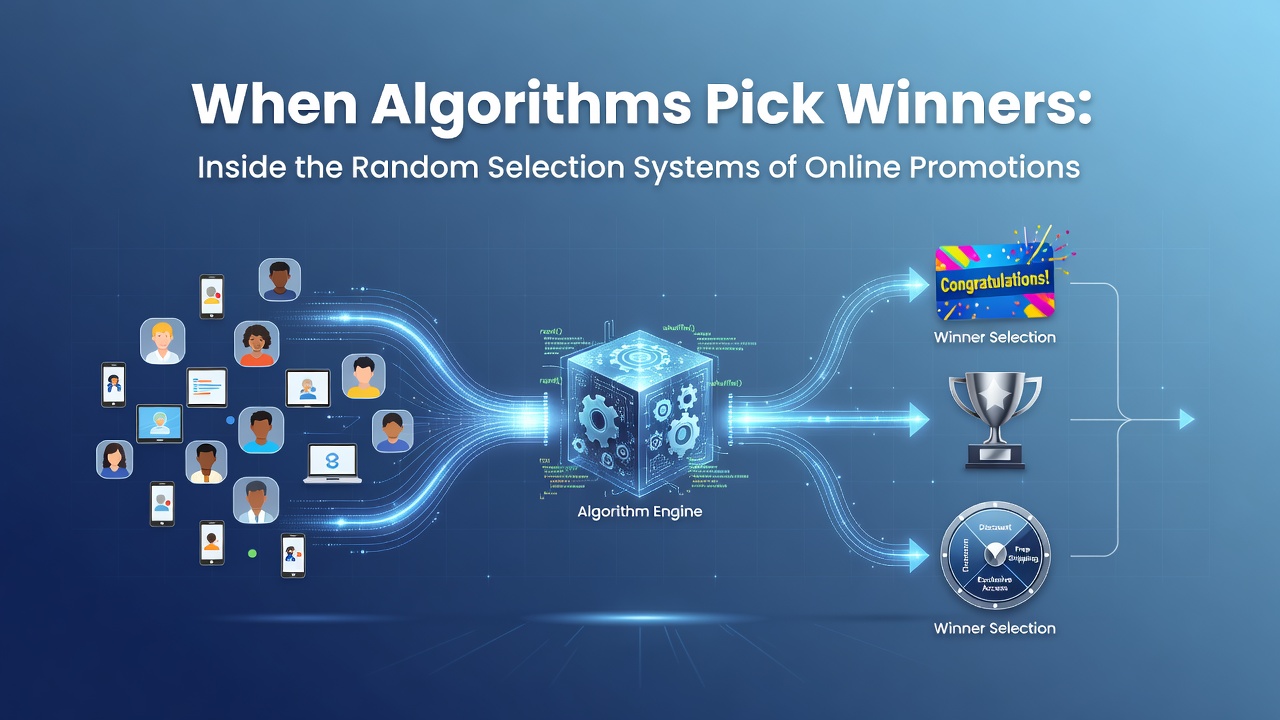
When Algorithms Pick Winners: Inside the Random Selection Systems of Online Promotions
Random selection systems in online promotions rely on algorithms that generate unpredictable outcomes to determine winners, and these mechanisms have become central to how companies run sweepstakes across digital platforms. Data from industry reports shows that millions of entries flow through such systems each month, with selection processes designed to meet legal standards for fairness while handling large volumes of participants. Observers note that the core technology often involves pseudorandom number generators seeded with external inputs like system time or hardware noise to produce results that resist prediction.
Core Mechanics of Selection Algorithms
Algorithms in these promotions typically start by collecting entries into a database, after which a random function assigns each participant a unique identifier before drawing a winner through iterative calculations. Research indicates that certified random number generators undergo testing from independent labs to verify statistical randomness, including checks for uniform distribution and independence between results. In practice, companies integrate these tools with entry validation steps that filter duplicates or ineligible submissions before the final draw occurs, and this process helps maintain compliance with promotional laws enforced by bodies such as the Federal Trade Commission in the United States.
Security measures include cryptographic hashing of entry lists and audit trails that record every step from submission to announcement, while external verifiers sometimes review the code to confirm no biases exist. Figures from regulatory filings reveal that disputes over selections have prompted several platforms to publish their methodology publicly, allowing participants to understand how winners emerge from the pool without revealing individual data.
Regulatory Frameworks Across Regions
Rules governing these systems vary by jurisdiction, yet they consistently require transparency and non-discrimination in winner selection. The Australian Competition and Consumer Commission oversees promotions in that country and mandates clear disclosure of odds when algorithms determine outcomes, whereas Canadian provincial authorities focus on record-keeping that allows post-draw verification. In the European Union, data protection regulations intersect with promotion rules to limit how personal information feeds into random selection processes, creating additional layers of compliance for operators who run cross-border campaigns.
Those who manage large-scale giveaways often obtain third-party certifications from organizations like the Gaming Laboratories International, which evaluates algorithm integrity through standardized testing protocols. Evidence suggests that such certifications reduce legal challenges because they provide documented proof that selections occurred without manipulation, and this documentation proves useful during audits that occur after prize distribution.
Recent Developments and August 2026 Updates
By August 2026, several platforms had adopted quantum-resistant random generators to address emerging computational threats, according to announcements from technology providers serving the promotions sector. These updates built on earlier standards and incorporated continuous monitoring that flags anomalies in real time during draws. Studies from academic institutions have examined how machine learning models can analyze past selection patterns without compromising future randomness, and findings show that properly implemented systems maintain unpredictability even under scrutiny.

One case involved a major electronics brand that published its draw logs after a high-profile promotion, allowing external researchers to confirm adherence to published parameters. Such transparency measures align with recommendations from trade groups that advocate for open verification methods, and they help build participant confidence in the underlying technology.
Challenges in Implementation
Despite robust designs, operators face issues such as scaling algorithms to handle millions of entries simultaneously without introducing latency or errors. Network failures during draws can require fallback procedures that still preserve randomness, and these contingencies appear in many official rules. Research from university labs demonstrates that combining multiple entropy sources strengthens resistance to external interference, while regular code reviews catch potential vulnerabilities before they affect live promotions.
Participants sometimes question the integrity of selections when results cluster in unexpected ways, yet statistical analysis often attributes such patterns to normal variance in large datasets. Regulatory guidance encourages companies to explain these probabilities in advance, and this practice reduces complaints by setting accurate expectations for entrants.
Conclusion
Random selection systems continue to evolve as technology advances and regulations adapt to new platforms. Companies that invest in certified algorithms and transparent processes demonstrate how these tools support fair outcomes across diverse promotional formats, and ongoing testing ensures reliability as participation volumes grow.